

 Français
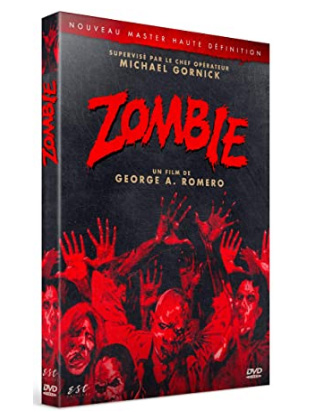
Dawn of the Dead
Synopsis
Dawn of the Dead is a legendary and groundbreaking horror masterpiece written and directed by George A. Romero. As an inexplicable zombie plague pushes human civilization to the brink of collapse, four desperate survivors flee a chaotic Philadelphia television station in a helicopter. They eventually seek refuge inside a massive, sprawling suburban shopping mall, barricading the doors and enjoying a temporary paradise of material consumerism. However, their sanctuary is soon threatened not only by the relentless hordes of undead outside, but also by ruthless human marauders. The film stands as an immortal social satire on modern consumer culture.
The Making of the Film
Following the monumental success of his indie breakout 'Night of the Living Dead', writer-director George A. Romero wanted to expand his apocalyptic zombie universe with a larger budget and color cinematography. Collaborating with Italian horror master Dario Argento for international financing, Romero crafted a biting satire centered on American consumerism. The production secured the Monroeville Mall outside Pittsburgh as its primary shooting location, filming overnight after the shopping center closed. The groundbreaking practical makeup and gore effects, crafted by Tom Savini, set an entirely new benchmark for horror cinema.
Critical Reception
Professional critics greeted the film with immense critical acclaim, praising its brilliant social commentary, suspenseful pacing, and groundbreaking special effects. Reviewers highlighted how Romero successfully utilized the horror genre to mock rampant consumer capitalism and societal apathy. Critics lauded the intense atmosphere and the bleak, realistic performances of the ensemble cast. It was hailed instantly as a monumental classic of horror history and one of the greatest zombie films ever produced.
Audiences responded with overwhelming enthusiasm, turning the independent feature into an astronomical box office smash that played in drive-ins and theaters worldwide. Viewers were captivated by the thrilling siege narrative, gory practical effects, and the surreal spectacle of zombies roaming a shopping mall. The film achieved legendary cult status and fundamentally shaped modern zombie pop culture. Its cultural impact remains immeasurable across generations.
The film dominated horror retrospective polls and critical lists for decades, cementing George A. Romero's enduring legacy as the godfather of the modern zombie genre.
Behind-the-Scenes Stories
Director George A. Romero drew inspiration from rampant 1970s consumerism, societal alienation, and his own desire to evolve the zombie mythology he created. Filming inside an active shopping mall required the cast and crew to work exclusively during night hours after the stores closed to the public. During the filming of the iconic siege sequences, Tom Savini and his makeup crew applied elaborate prosthetic gore to hundreds of background extras. Before the final cast was locked in, several independent actors were auditioned from the local Pittsburgh theater community.
Themes Explored
Consumerism, Survival, Societal Collapse, Human Greed, Isolation, Zombies
Ending Explained
The bittersweet and precarious finale shows the two surviving characters escaping in a low-fuel helicopter, highlighting the permanent loss of safety in a ruined world.
Meaning of the Title
The title signifies the dawning of a terrifying new era where the dead have risen to conquer humanity, marking the bleak morning of a post-apocalyptic world.
Original Soundtrack
The eerie, atmospheric musical score compiled by the Italian progressive rock band Goblin (alongside library stock tracks) became an iconic hallmark of atmospheric horror cinema.
Night of the Living Dead, Day of the Dead, 28 Days Later, Zombieland