

 Français
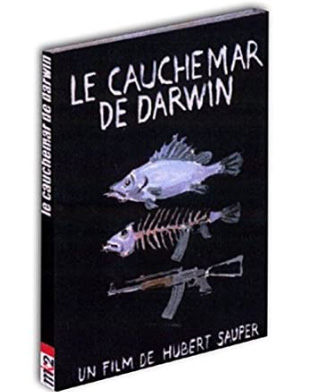
Darwin's Nightmare
Synopsis
This harrowing, critically acclaimed documentary explores the devastating ecological, social, and economic consequences of introducing Nile perch into Tanzania Lake Victoria during the 1960s. Director Hubert Sauper investigates how the predatory fish devoured native species, destroying the local ecosystem while fueling a massive global export industry. Cargo planes arriving from Europe loaded with weapons return filled with frozen fish fillets for Western consumers, trapping local communities in crushing poverty, HIV/AIDS epidemics, and corruption. The film serves as a chilling expose of globalization and exploitation in East Africa.
The Making of the Film
Director and cinematographer Hubert Sauper spent years investigating the complex socio-political reality around Lake Victoria in Tanzania before filming began. Sauper wanted to expose the hidden dark side of international trade agreements and globalization through the microcosm of a single invasive fish species. Independent European documentary funds financed the harrowing investigative project.
Critical Reception
Critics universally acclaimed Darwin's Nightmare as a masterpiece of investigative documentary filmmaking, praising its fearless journalism and profound moral clarity. Reviewers lauded Hubert Saupers courageous reporting under dangerous conditions and his haunting visual storytelling. The film was celebrated as one of the most powerful political documentaries of the decade.
Public reception was intense and widespread, sparking global debates about corporate exploitation, fair trade, and environmental destruction in Africa. Viewers were deeply shaken by the raw, unvarnished depiction of human suffering around the lake. It remains a landmark documentary of modern cinema.
The film earned an Academy Award nomination for Best Documentary Feature, a rare and prestigious honor for an investigative European production. It won numerous international film festival awards worldwide. Its historical impact on environmental awareness is profound.
Filming Anecdotes
Director Hubert Sauper drew inspiration from investigative journalism, environmental activism, and geopolitical documentaries. He chose to shoot on location around Lake Victoria and local Tanzanian fishing villages, capturing raw, unscripted human interactions. His direction required immense personal bravery as he navigated hostile armed militia and corrupt local officials.
Production faced extreme dangers, threats of violence, and surveillance by local authorities who wanted to suppress the documentary revelations. Sauper operated as a one-man crew for much of the shoot, carrying handheld cameras discreetly. The editing process structured complex economic data into a compelling narrative.
A memorable sequence involves local impoverished children sleeping inside empty cargo plane containers at night to escape street violence. The scene captures the heartbreaking human collateral of the global fish trade. The raw imagery left audiences deeply moved.
The production relied on genuine local voices rather than actors, interviewing impoverished fishermen, corrupt officials, and pilot workers. Saupers empathetic yet uncompromising interviewing approach revealed hidden truths.
Themes Explored
The film explores globalization, ecological devastation, corporate exploitation, poverty, the arms trade, and human survival. It highlights how multinational capitalism destroys fragile ecosystems and human lives in developing nations. Truth exposes systemic corruption.
NULL
Title Significance
The title refers metaphorically to Charles Darwin theory of evolution and natural selection, twisted into a literal nightmare where an invasive predator destroys an entire ecosystem. It highlights corporate greed.
NULL
NULL
Similar Films
Other similar films include Food, Inc., The Corporation, and Blackfish.