

 Français
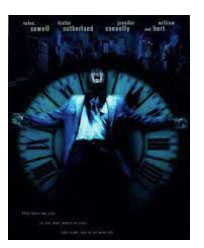
Dark City
Synopsis
John Murdoch awakens in a seedy hotel bathtub with severe amnesia and a corpse in the next room. Fleeing from both the police and a sinister group of pale-faced beings known as the Strangers, he tries to piece together his identity. He soon discovers that the entire city is locked in an eternal night where reality is physically altered at midnight by the mysterious beings. Using his own emerging mind-bending abilities, Murdoch must uncover the truth to save humanity from eternal enslavement.
The Making of the Film
Writer and director Alex Proyas conceived the film as a neo-noir visual puzzle inspired by German Expressionism and classic science fiction literature. After the success of The Crow, Proyas wanted to build an entirely original cinematic universe from scratch. He spent years developing the intricate lore of the Strangers and the mechanics of the shifting metropolis. The production utilized massive physical soundstages in Sydney, Australia, instead of relying solely on green screens to create its oppressive gothic atmosphere.
Critical Reception
Résumé des critiques professionnelles : Critics praised the film for its breathtaking visual design, innovative world-building, and dark neo-noir atmosphere. Reviewers frequently compared its philosophical depth and aesthetic influence to Blade Runner and The Matrix. The performances of Rufus Sewell, William Hurt, and Kiefer Sutherland were lauded for anchoring the high-concept sci-fi plot in genuine emotion. Some critics, however, felt the dense narrative was difficult to follow upon initial viewing.
Réception du public : Audiences were initially bewildered by the complex philosophical themes and dark aesthetic, leading to a modest box-office performance. However, over time, the movie developed a massive cult following through home video and word-of-mouth recommendations. Science fiction enthusiasts celebrated it as an underrated masterpiece that predated and influenced similar cyberpunk thrillers. Fans continue to praise its timeless visual effects and haunting atmosphere.
Récompenses obtenues : Dark City won several Saturn Awards, including Best Science Fiction Film and Best Costumes, recognizing its artistic achievements. It also received numerous accolades from international film festivals for its groundbreaking art direction and set design. Alex Proyas earned nominations for his visionary direction and unique storytelling style. These honors cemented its legacy as a landmark achievement in science fiction cinema.
Behind-the-Scenes Stories
Inspirations du réalisateur : Alex Proyas drew heavily from film noir classics, German Expressionist cinema, and classic comic book aesthetics. He wanted to evoke the feeling of a surreal nightmare where the laws of physics and time do not apply. The architecture of the city was inspired by a mix of 1940s New York, gothic cathedrals, and brutalist concrete structures. The director also explored philosophical concepts of memory, consciousness, and what truly defines human identity.
Difficultés de production : Shooting entirely on massive indoor soundstages in Sydney presented enormous lighting and logistical challenges for the camera crew. The production faced budget pressures and studio interference regarding how to market the complex psychological narrative. Famously, the studio forced Proyas to add an introductory voiceover narration explaining the plot, much to the director's initial dismay. Despite these hurdles, the crew delivered one of the most visually stunning sci-fi worlds in cinematic history.
Anecdote sur une scène particulière : During the filming of the dramatic midnight tuning sequences where buildings physically shift, actors had to react to empty spaces before digital effects were added. Rufus Sewell performed many of his own physical stunts during the rooftop chase scenes in pouring artificial rain. The iconic clock tower set was meticulously constructed by hand, allowing actors to interact with practical moving gears. The eerie silence maintained on set during night shoots helped the cast stay immersed in the psychological dread of the story.
Casting initialement prévu : Before Rufus Sewell secured the lead role of John Murdoch, several major Hollywood actors were considered by the studio. The casting team looked for someone who could project both intense vulnerability and fierce intellectual defiance. Sewell was ultimately chosen because his striking features and intense screen presence fit the neo-noir aesthetic perfectly. Kiefer Sutherland and William Hurt were brought in to add gravitas and grounding to the bizarre sci-fi premise.
Themes Explored
The film deeply explores the nature of human identity, memory, and what makes a person truly human. It investigates existential questions of free will versus deterministic control by external forces. Another core theme is the manipulation of truth by ruling classes to maintain power over society. It also examines the triumph of the human soul over physical and technological enslavement.
The movie concludes with John Murdoch defeating the leader of the Strangers in a cataclysmic mental duel at the edge of the city. Harnessing his complete mastery as a "tuner," Murdoch alters the environment to create a real ocean and a sunrise for the newly liberated citizens. He erases the artificial night and grants the human population a genuine future under natural sunlight. In the final heartwarming scene, Murdoch walks along the newly formed coastline and reunites with a reimagined version of his wife, Emma.
The title refers literally and metaphorically to the oppressive, sunless metropolis where the entire narrative takes place. It invokes the classic tropes of film noir while adding a literal supernatural twist involving perpetual night. The phrase sets a dark, foreboding tone for the existential struggle of the characters trapped within its borders. It encapsulates a world hidden away from the rest of the universe, shrouded in eternal darkness.
Similar films include The Matrix, Blade Runner, Brazil, and The Truman Show, which explore themes of simulated reality, identity, and societal control.