

 Français
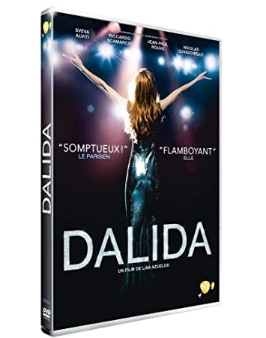
Dalida
Synopsis
This biographical drama explores the extraordinary and tumultuous life of Dalida, one of France's most iconic singers and actresses. From her birth in Cairo to her meteoric rise to stardom in Europe, the film captures her immense global success. Beneath the glittering surface of fame, however, lay a deeply tragic personal life marked by heartbreak and loss. The narrative intimately examines her resilience, her cultural impact, and her enduring legacy as a timeless pop diva.
The Making of the Film
The project originated from a desire to pay a cinematic tribute to an iconic performer whose personal life remained shrouded in mystery and tragedy for many fans. The director drew inspiration from comprehensive biographical accounts and archival interviews detailing the singer's rise to fame. Developing the script required extensive research to accurately portray both her triumphant musical milestones and her profound private sorrows. The filmmakers sought to capture the authentic emotional weight of her journey rather than merely presenting a chronological list of her hit songs.
Critical Reception
Critics generally praised the ambitious scope of the biographical portrait and the emotional depth brought to the central performance. Reviewers noted that the film successfully navigated the delicate balance between celebrating her musical achievements and confronting her deeply personal struggles. Many highlighted the meticulous recreation of period aesthetics and the powerful use of her original recordings throughout the soundtrack. While some felt the pacing occasionally rushed through certain eras of her long career, the overall consensus remained highly positive regarding its theatrical resonance.
Audience reception was overwhelmingly emotional, with long-time fans expressing profound appreciation for how respectfully and sensitively her complex life was handled. Viewers on public rating platforms frequently commended the poignant storytelling and the striking emotional authenticity conveyed in the dramatic sequences. Many noted that the film introduced her legendary catalog and tragic story to a whole new generation of admirers who previously knew little about her background. Screenings often evoked strong nostalgic reactions, turning public viewings into communal celebrations of her enduring artistic impact.
Although it was primarily celebrated as a heartfelt tribute rather than an awards-season juggernaut, the production earned several nominations for its exceptional costume design and artistic direction. Critics' associations recognized the dedication put into recreating the iconic fashions and stage setups spanning multiple decades of European pop culture. Furthermore, the leading performance received individual accolades at regional film festivals for its captivating intensity and emotional range. These honors cemented the film's status as a commendable achievement in biographical cinema.
Behind-the-Scenes Stories
The director was heavily influenced by vintage French and Italian variety shows, studying how television framed musical performers during the peak of the artist's career. This visual inspiration dictated the distinct lighting style and the nostalgic color grading utilized across the major performance sequences. The production team also spent months analyzing rare concert footage to replicate her signature stage presence and expressive gestures down to the smallest detail. These stylistic choices were intentionally designed to immerse the viewer directly into the vibrant atmosphere of 1960s and 1970s entertainment.
Production faced considerable hurdles when attempting to secure the rights to key musical tracks and original master recordings necessary for the dramatic sequences. Coordinating international shooting schedules across multiple historical locations in Europe also proved logistically demanding for the costume and set design departments. Additionally, maintaining historical accuracy while condensing decades of a complex life into a standard feature-length runtime required endless script revisions. The crew had to work under tight turnaround times to construct authentic-looking television studio sets from different decades within the same physical soundstage.
One of the most emotionally charged sequences involved recreating a legendary sold-out concert at a famous Parisian music hall during the height of her fame. To achieve genuine realism, the production utilized hundreds of background extras dressed in period-accurate attire, complete with vintage hairstyles and accessories. The lead actress performed live vocals to playback, allowing for natural physical movements and genuine sweat that elevated the scene's authenticity. This meticulous approach turned what could have been a standard concert reenactment into a powerful emotional centerpiece for the entire narrative.
Initial casting discussions reportedly considered several prominent international actresses before the final star was chosen for her striking resemblance and deep emotional connection to the subject. The chosen lead underwent rigorous vocal coaching and intensive language training to perfectly capture the distinct speaking cadence and performance style of the iconic singer. Supporting roles were carefully filled with seasoned European character actors who could ground the dramatic interactions in historical realism. This collaborative casting process ensured a cohesive ensemble capable of handling the heavy emotional demands of the script.
Themes Explored
The film deeply explores the heavy psychological toll of celebrity culture and the painful dichotomy between public adoration and profound private loneliness. It examines themes of cultural identity, immigrant struggles, and the lifelong search for unconditional love and acceptance. Resilience in the face of repeated personal tragedies serves as a central pillar, showcasing how art can become both a sanctuary and an emotional burden. Ultimately, the narrative reflects on mortality, mental health, and the eternal quest for an authentic identity beyond the glittering stage persona.
Meaning of the Title
The title simply reflects the mononymous stage name of the legendary artist, symbolizing her unique status as a singular cultural phenomenon.