

 Français
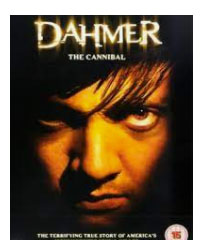
Dahmer
Synopsis
The film explores the dark and complex psychology of Jeffrey Dahmer, one of America's most notorious serial killers. It chronicles his descent into madness as he picks up young men and lures them to his apartment. Through a series of flashbacks, the narrative contrasts his polite demeanor with his gruesome acts. Ultimately, the story highlights the eerie duality and isolation that defined his tragic double life.
The Making of the Film
Director David Jacobson was drawn to the psychological aspects of Jeffrey Dahmer's life rather than just focusing on pure sensationalism. The project was conceived as an independent drama to delve deeply into the human condition and the failures of the surrounding society. Jacobson relied heavily on court documents, police reports, and biographies to accurately capture the timeline and atmosphere of Milwaukee in the early 1990s. The filmmakers aimed to create a chilling character study that would examine how a lonely individual could commit such horrific atrocities while hiding in plain sight.
Critical Reception
Résumé des critiques professionnelles : Critics generally praised the film for its restrained approach and its refusal to exploit the gruesome details for cheap thrills. Jeremy Renner's breakout performance as Jeffrey Dahmer received widespread critical acclaim for bringing a haunting humanity and vulnerability to the monster. Reviewers noted that the director successfully avoided the typical tropes of slasher films in favor of a slow-burning psychological thriller. Some critics, however, felt that the low budget limited the scope of the narrative and left certain character motivations underexplored.
Réception du public : Audiences found the film deeply disturbing and uncomfortable to watch due to its unflinching look at real-world evil. Viewers on independent cinema platforms often commended the eerie atmosphere and the claustrophobic setting of Dahmer's apartment. While it did not achieve mainstream box-office success, it gained a dedicated cult following among fans of psychological crime dramas. Many viewers appreciated that it focused on the eerie mundanity of the killer's daily routine rather than constant violence.
Récompenses obtenues : Jeremy Renner earned an Independent Spirit Award nomination for Best Male Lead, which helped put his acting career on the national map. The film also received accolades at several independent film festivals for its bold screenplay and gripping lead performance. Although major mainstream awards eluded it, the indie production was recognized for its unique artistic vision. These honors solidified its reputation as a respectable and daring entry in the true-crime film genre.
Behind-the-Scenes Stories
Inspirations du réalisateur : David Jacobson was heavily inspired by classic biographical dramas that attempt to deconstruct troubled minds without offering easy answers. He wanted to challenge viewers by showing the mundane interactions Dahmer had with neighbors and family members. The visual style was influenced by gritty 1970s and 1980s American cinema, utilizing natural lighting and muted colors to evoke a sense of melancholy. The director also drew inspiration from true-crime literature detailing the institutional oversights that allowed Dahmer to evade capture for so long.
Difficultés de production : Securing financing for a movie about a cannibalistic serial killer proved to be a massive hurdle for the independent production team. The crew worked with an extremely tight budget, forcing them to shoot most scenes in cramped indoor locations rather than large sets. Actors and crew members frequently reported feeling emotionally drained and distressed by the heavy subject matter on set. Despite these logistical and psychological challenges, the team managed to complete principal photography on an expedited schedule.
Anecdote sur une scène particulière : During the filming of the tense apartment sequences, Jeremy Renner reportedly stayed in character for long stretches to maintain his haunting demeanor. Crew members have recounted feeling genuinely unsettled during takes where Renner interacted with props symbolizing his horrific crimes. In one notable scene, the eerie silence on set was so profound that several extras broke down in tears after the director yelled cut. This intense commitment to the role created a palpable sense of dread that translated directly onto the screen.
Casting initialement prévu : Before Jeremy Renner secured the iconic role, several other young indie actors were considered for the part of Jeffrey Dahmer. Casting directors searched extensively for someone who could project both boyish charm and underlying menace simultaneously. Renner was ultimately chosen because of his ability to portray deep internal conflict and loneliness without making the character a caricature. His audition reportedly stunned the production team with its quiet intensity and unsettling authenticity.
Themes Explored
The movie heavily explores themes of profound isolation, alienation, and the masks people wear to hide their true identities. It examines the breakdown of familial relationships and how societal neglect can foster monsters in plain sight. Another major motif is the failure of law enforcement and social systems to protect vulnerable members of society. Ultimately, the narrative questions the nature of evil and whether human beings are born malevolent or shaped by their environments.
The film concludes with Dahmer finally being arrested after a victim manages to escape from his apartment and flag down police officers. The final shots emphasize the shock of the neighbors and the police as they uncover the gruesome evidence inside the unit. It serves as a stark reminder of how easily horrific secrets can be concealed behind locked doors and polite smiles. Rather than offering a neat moral resolution, the ending leaves the audience to ponder the systemic failures that allowed his crimes to persist for years.
The title simply refers to the primary subject and real-life serial killer, Jeffrey Dahmer, whose actions form the core of the narrative. It focuses personal accountability onto the individual rather than sensationalizing the moniker given by the media. By using his surname, the film establishes a clinical, biographical tone rather than a traditional horror movie feel.
Similar films include Henry: Portrait of a Serial Killer, Monster, and Zodiac, which also examine real-life American murderers with psychological depth.