

 Français
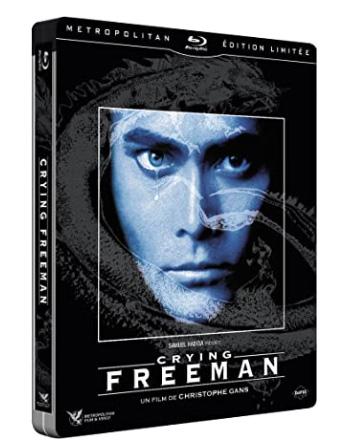
Crying Freeman
Synopsis
A stoic and reluctant assassin known as Freeman, who sheds tears of genuine remorse after every contract execution, finds his life irrevocably altered. He is bound by oath to the 108 Dragons, a powerful Chinese secret society that commands his lethal talents. During one of his meticulously executed missions in San Francisco, an observant artist named Eomu witnesses the assassination and becomes marked for death by the syndicate. Instead of eliminating her, Freeman falls deeply in love with her, sparking a perilous rebellion against his own organization. Together, they must fight for their survival and ultimate freedom against relentless pursuers.
The Making of the Film
The film is a cinematic adaptation of the acclaimed Japanese manga series created by writer Kazuo Koike and illustrator Ryoichi Ikegami. Director Christophe Gans, a passionate fan of Asian cinema and graphic novels, envisioned a stylish live-action translation that would merge the poetic visual aesthetics of Hong Kong action films with a dark Hollywood thriller tone. The initial inspiration came from wanting to recreate the soulful melancholy of an assassin who is emotionally torn between his deadly calling and his capacity for profound love.
Critical reception and review
Critics praised Christophe Gans for his striking visual style, fluid action choreography, and successful translation of manga aesthetics into a live-action medium. The atmospheric lighting, pacing, and martial arts sequences received considerable acclaim for honoring the spirit of the original source material. Reviewers noted that Mark Dacascos delivered a compelling and physically demanding performance that anchored the stylized narrative effectively. Audiences appreciated the film's unique blend of romantic melodrama and high-octane martial arts action, cultivating a dedicated cult following over the years. Viewers were particularly drawn to the visual fidelity and the intense chemistry between the lead actors amidst the criminal underworld backdrop. While it received limited mainstream box office distribution upon its initial release, it gradually achieved widespread recognition as one of the best manga adaptations of the 1990s. The movie earned appreciation within international fantasy and action film festivals for its distinct stylistic ambition and choreography.
Filming anecdotes
Christophe Gans drew extensive inspiration from classic Japanese samurai cinema, Hong Kong gun-fu masterpieces, and traditional film noir aesthetics. The production faced considerable logistical challenges while choreographing complex martial arts and gunplay sequences within tight schedules and locations. A particularly notable scene involving a tense confrontation in a traditional Japanese garden required meticulous coordination to achieve the desired balance of poetic beauty and violent action. Before Mark Dacascos was cast as the lead, several martial artists and action stars were evaluated to find an actor who could flawlessly combine physical agility with emotional vulnerability.
Themes explored
The narrative deeply examines the internal conflict between predetermined fate and personal free will, as the protagonist struggles to break free from an inescapable syndicate. It explores the redemptive power of love, showing how genuine human connection can pierce through a life steeped in violence and darkness. Themes of honor, loyalty, and betrayal within secret societies drive the core conflict between duty and personal morality. Furthermore, the film reflects on the duality of human nature, juxtaposing the cold, calculated precision of an assassin with deep emotional sensitivity and tears of remorse.
Explanation of the ending
Meaning of the title
The Killer, Nikita, Leon: The Professional, Hard Boiled