

 Français
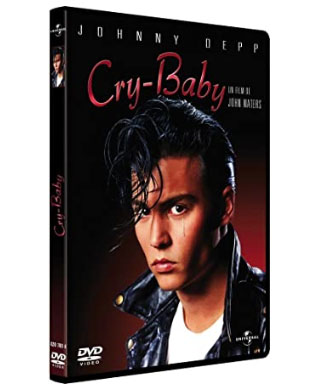
Cry-Baby
Synopsis
Set in 1954 Baltimore, Maryland, Allison Vernon-Williams is a beautiful, wealthy 'square' high-school girl who falls head over heels for Wade 'Cry-Baby' Walker, the baddest, most magnetic bad-boy drape in school who can shed a single tear to break hearts. Defying polite society, segregation, and conservative school rules, Allison abandons her stuffy preppy boyfriend to join Cry-Baby's rebellious gang of delinquents, sparking an all-out turf war between the squares and the drapes. Featuring wild musical numbers, juvenile delinquency, and eccentric campy characters, this cult classic musical satire celebrates teenage rebellion.
The Making of the Film
Writer and director John Waters conceived the musical comedy as a commercial follow-up to his smash hit Hairspray, wanting to pay affectionate homage to 1950s juvenile delinquency drive-in movies, Elvis Presley musicals, and rockabilly subcultures. Waters sought to combine his trademark outrageous camp humor with a PG-13 mainstream aesthetic. Imagine Entertainment backed the studio production. The project was designed as a star vehicle for young Johnny Depp.
Critical Reception
Professional critics gave mixed reviews upon release, with some praising its bubbly camp charm, catchy retro musical numbers, and Johnny Depp's undeniable heartthrob presence, while others found the juvenile humor disposable. Over subsequent decades, critical consensus underwent a massive reappraisal, hailing it as an adored cult classic of 1990s camp cinema. Reviewers praised its affectionate parody of 50s teen melodramas.
Public reception was initially modest at the box office, but the film blossomed into a massive cult favorite on home video and television broadcasts. Audiences fell in love with the catchy songs, leather jackets, and bizarre supporting characters. It cemented its status as a pop culture milestone.
Awards and recognition included independent film cult accolades and retrospective festival screenings. Johnny Depp's breakout leading role launched his cinematic superstardom. The film remains celebrated as a joyous camp masterpiece.
Behind-the-Scenes Stories
- Inspirations: The director drew inspiration from 1950s juvenile delinquent films like Rebel Without a Cause, Elvis musicals, and Baltimore local history.
- Difficulties: Production challenges included securing authentic 1950s hot rod cars, vintage wardrobe, and managing large musical choreography numbers on studio soundstages in Baltimore.
- Anecdote: A memorable anecdote involves Johnny Depp desperately wanting to shed his teen-idol image from 21 Jump Street and gleefully embracing the ridiculous rockabilly greaser persona, though his singing voice was actually dubbed by James Intveld. Iggy Pop and Ricki Lake made hilarious supporting appearances. The cast shared a wild party atmosphere.
- Casting: The casting process secured Johnny Depp to anchor the lead greaser role, alongside Amy Locane, Susan Tyrrell, Iggy Pop, Ricki Lake, and Willem Dafoe in a cameo. The ensemble chemistry drove the camp comedy.
Themes Explored
The themes explored include teenage rebellion, social class prejudice, non-conformity, first love, and musical self-expression. The story examines how rigid societal conventions try and fail to suppress youthful passion. It also highlights greaser versus square tribalism.
Ending Explained
The ending shows Cry-Baby escaping from juvenile detention during a chaotic prison break and riding his motorcycle back to the high school talent show just in time to perform a show-stopping musical number alongside Allison, winning over the school board and uniting squares and drapes forever. With their social differences resolved and conservative opposition defeated, Cry-Baby and Allison share a passionate, tearful kiss. The film concludes on a joyful, campy musical celebration note.
Meaning of the Title
The title 'Cry-Baby' refers directly to the protagonist's notorious nickname earned because he possesses the unique, melodramatic ability to shed a single tear from his eye to express deep emotion. It is catchy and campy. The name sets a musical-comedy tone.
Original Soundtrack
Featuring an incredible retro rockabilly and doo-wop musical soundtrack curated by Patrick Williams, the music captures the authentic 1950s delinquent sound.
The film is celebrated globally through midnight cult screenings, anniversary editions, and musical theatre adaptations.
Hairspray, Grease, The Outsiders, But I'm a Cheerleader