

 Français
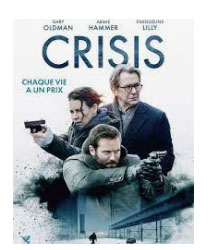
Crisis
Synopsis
Set against the devastating backdrop of the modern opioid epidemic, three interwoven stories collide in a tense thriller. A university professor conducts groundbreaking research exposing a pharmaceutical giant's addictive new painkiller while facing personal tragedy. An undercover DEA agent orchestrates a dangerous multi-state operation to infiltrate a powerful drug cartel flooding the streets. Meanwhile, a recovering architect desperately searches for her missing teenage son who has fallen victim to addiction. Together, their paths expose the systemic corruption fueling the national crisis.
The Making of the Film
Writer and director Nicholas Jarecki spent years researching the deep-rooted corruption of the American pharmaceutical industry to construct his multi-layered thriller script. The project was conceived as an urgent, hard-boiled ripped-from-the-headlines drama exposing corporate greed and regulatory failure. Jarecki drew inspiration from true investigative journalism, whistle-blower testimonies, and federal drug enforcement files. The production utilized authentic urban locations in Montreal and Detroit to recreate the bleak reality of the drug crisis.
Critical Reception
Critics offered mixed reviews upon release, praising its ambitious scope, fast-paced interweaving plots, and strong ensemble cast. Reviewers noted that Nicholas Jarecki tackled a complex, sprawling national tragedy with genuine cinematic urgency and high-stakes tension. Some film critics, however, felt that juggling three distinct storylines occasionally stretched the narrative too thin. Despite polarized critical opinions, thriller enthusiasts appreciated its hard-boiled exposure of corporate corruption.
Audiences enjoyed the gripping multi-strand thriller for its suspenseful pacing, moral dilemmas, and stellar star-studded cast. Viewers on streaming platforms commended Gary Oldman, Armie Hammer, and Evangeline Lilly for anchoring the heavy subject matter with powerful performances. It found a welcoming audience among fans of contemporary crime dramas and corporate conspiracy thrillers. Many praised its courage in addressing a devastating public health crisis that affects millions of families.
Although major mainstream awards bypassed the crime thriller release, it earned recognition among industry guilds for its screenplay and ensemble acting. Gary Oldman's committed performance received praise from acting associations for its intellectual gravity. The film's sound design and editing achievements in managing three parallel plots were also celebrated. These acknowledgments helped cement its reputation as a relevant modern socio-political thriller.
Behind-the-Scenes Stories
Nicholas Jarecki was heavily inspired by classic investigative crime thrillers like Traffic and All the President's Men that expose institutional corruption. He wanted to show how the opioid epidemic touches every level of society, from corporate boardrooms to corrupted street dealers. The visual style utilized cold corporate boardrooms, gritty neon-lit alleyways, and stark police interrogation rooms. The director also drew from extensive consultations with federal drug agents and medical whistleblowers.
Coordinating three separate parallel storylines across different international locations required meticulous scheduling and logistical planning from the production crew. Shooting took place in winter across Montreal and Detroit, providing an authentic, freezing aesthetic that enhanced the bleak mood. Gary Oldman and Evangeline Lilly performed their demanding dramatic scenes with absolute precision and minimal takes. Despite the heavy corporate conspiracy themes, the cast maintained a collaborative and focused working environment.
During the filming of the tense pharmaceutical boardroom confrontation scenes, Gary Oldman brought electric intellectual intensity to his academic whistle-blower role. Evangeline Lilly performed her own harrowing physical stunts during the frantic search sequences for her missing son. Crew members reported feeling deeply moved by the emotional weight of the addiction recovery sequences. The genuine intensity brought by the cast kept production morale high through long night shoots.
Casting directors searched for an A-list ensemble who could project instant authority and emotional gravity across multiple parallel plots. Gary Oldman was secured for the lead role of the principled university professor fighting corporate corruption. Evangeline Lilly and Armie Hammer were cast as the grieving mother and undercover DEA agent respectively. The supporting cast of corrupt executives and cartel enforcers added vital criminal tension.
Themes Explored
The film heavily explores corporate greed, pharmaceutical corruption, and the devastating human toll of the national opioid epidemic. It examines the systemic failures of federal regulatory agencies and law enforcement in stopping corporate drug pushers. Another core motif is the agonizing desperation of families fighting to save loved ones from addiction. It also touches upon moral integrity, whistle-blowing, and personal sacrifice against insurmountable odds.
Ending Explained
The film concludes with the university professor successfully releasing his independent research exposing the pharmaceutical giant despite receiving massive corporate threats. Simultaneously, the DEA agent dismantles the multi-state smuggling pipeline, and the grieving mother finally finds closure regarding her son. While the corporate executives face severe legal reckoning, a concluding text epilogue reminds viewers that the nationwide opioid epidemic remains an ongoing systemic battle. The final shots show the surviving heroes looking toward a reformed future with cautious optimism.
Meaning of the Title
The title refers literally and metaphorically to the devastating national public health emergency caused by the widespread addiction to prescription painkillers. It evokes the urgent, catastrophic scale of a societal catastrophe requiring immediate institutional intervention. The single-word phrasing sets a hard-boiled, high-stakes tone for the political thriller. It encapsulates both the corporate crime wave and the individual human emergencies driving the plot.
Similar films include Traffic, Sicario, Dark Waters, and The Insider, which feature corporate whistle-blowers, undercover drug operations, and systemic corruption.