

 Français
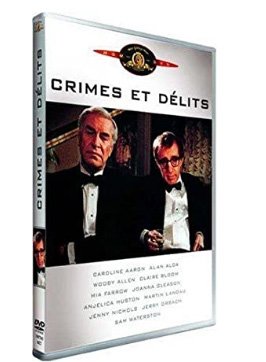
Crimes and Misdemeanors
Synopsis
Set in New York City, the film weaves together two contrasting, parallel moral stories. The primary narrative follows Judah Rosenthal, a successful, respected ophthalmologist and philanthropist whose long-term mistress Dolores threatens to expose their extramarital affair and financial fraud to his wife unless he leaves her, leading a desperate Judah to hire his criminal brother to have her murdered. The secondary, lighter narrative follows Cliff Stern, an idealistic, failing documentary filmmaker struggling in an unhappy marriage who falls in love with a producer while making a documentary about a pompous television celebrity. Through both stories, the film explores how the universe responds to moral transgression.
The Making of the Film
Director and writer Woody Allen conceived the philosophical dark comedy-drama to explore serious moral theology, guilt, and whether divine justice truly exists in a universe where wicked deeds often go unpunished. Allen structured the film around the stark contrast between a dark tragic crime plot and a light romantic comedy subplot.
Critical Reception
Professional critics universally acclaimed the film as a masterpiece of moral philosophy and dark comedy, praising Martin Landau's powerhouse dramatic performance, Allen's sharp writing, and its profound existential depth.
The general public offered moderate box office returns, but the film achieved enduring critical reverence as one of Allen's finest dramatic achievements.
The film received three Academy Award nominations, including Best Director, Best Original Screenplay, and Best Supporting Actor for Martin Landau.
Behind-the-Scenes Stories
Director Woody Allen drew inspiration from Fyodor Dostoevsky's 'Crime and Punishment', moral philosophy treatises, and New York intellectual life. Production required shooting across Manhattan and Long Island estates, balancing contrasting tonal palettes between the dark murder plot and light comedy scenes.
During the filming of Judah's guilt-ridden hallucination sequences, Martin Landau maintained intense psychological anguish.
Initially, various casting discussions preceded Landau securing the tormented ophthalmologist role.
Themes Explored
The film explores moral guilt, absence of divine justice, extramarital affairs, murder ethics, and existential philosophy.
Ending Explained
The ending reveals that Judah gets away with the murder entirely unpunished, returning to his wealthy life and family after his conscience clears, while Cliff's documentary about morality finds cynical success.
Meaning of the Title
The title 'Crimes and Misdemeanors' references legal distinctions between major felonies (crimes) and minor offenses (misdemeanors), mirroring the moral weight of the dual storylines.
Similar Films
Match Point, Hannah and Her Sisters, Irrational Man, Manhattan Murder Mystery