

 Français
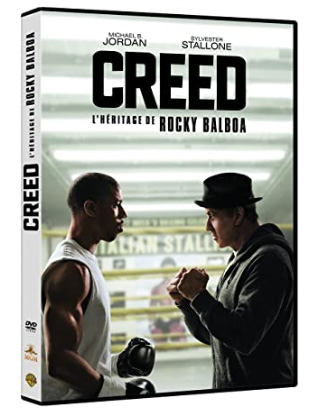
Creed
Synopsis
Adonis Johnson is the son of legendary heavyweight champion Apollo Creed, who died before he could know his son. Despite growing up in comfortable circumstances, Adonis feels an overwhelming desire to pursue a career in professional boxing. He leaves his life in Los Angeles and travels to Philadelphia to seek guidance from Rocky Balboa, his father's former rival and close friend. Initially reluctant to return to the world of boxing, Rocky eventually agrees to train the young fighter. Together, they confront personal struggles, family expectations and the difficult journey toward earning recognition in the ring.
The film's origins
Ryan Coogler developed Creed as a continuation of the legendary Rocky franchise, but wanted to introduce a new protagonist with his own identity and ambitions. The idea centered on Adonis Johnson, the son of Apollo Creed, a character whose death had played an important role in the original series. Coogler was particularly interested in exploring the relationship between fathers and sons, drawing upon his own experiences and his admiration for the emotional storytelling of the earlier films. He collaborated with screenwriter Aaron Covington to create a story that could function independently while remaining connected to the established universe. Michael B. Jordan, who had previously worked with Coogler on Fruitvale Station, became the natural choice for the leading role. Sylvester Stallone agreed to return as Rocky Balboa, providing a bridge between the original franchise and its new generation. The filmmakers deliberately emphasized character development and realistic boxing preparation rather than relying exclusively on nostalgia. The result revitalized the franchise while establishing Adonis as a protagonist in his own right.
Critical reception and audience response
Professional reviews: Critics overwhelmingly praised the film for its energetic direction, emotional depth and powerful performances. Michael B. Jordan received widespread acclaim for bringing determination and vulnerability to Adonis. Sylvester Stallone was particularly celebrated for his portrayal of an aging Rocky confronting illness and personal loss. Ryan Coogler received recognition for combining the familiar conventions of a boxing drama with a fresh and contemporary perspective. The cinematography and immersive boxing sequences were also widely praised.
Audience reception: The film was warmly received by audiences and performed strongly at the international box office. Fans of the original Rocky series appreciated the return of familiar characters, while new viewers responded to Adonis's independent story. Its balance of sporting excitement, family drama and personal development helped it reach a broad audience. The success of the production demonstrated that the franchise could continue without simply repeating the original films.
Awards: Sylvester Stallone received an Academy Award nomination for Best Supporting Actor, along with nominations at the Golden Globes and several other major award ceremonies. He won the Golden Globe for Best Supporting Actor in a Motion Picture. The film also received recognition from critics' associations for its direction and performances. Its success established a new generation of awards recognition for the Rocky franchise.
Behind-the-scenes stories
Director's inspirations: Ryan Coogler wanted to explore the emotional consequences of growing up in the shadow of a famous parent. The relationship between Adonis and Rocky was central to his vision, allowing him to examine mentorship, grief and the meaning of legacy. The director also drew inspiration from the original Rocky films, particularly their emphasis on perseverance and personal dignity. He aimed to combine the recognizable atmosphere of Philadelphia boxing with a contemporary visual approach.
Production challenges: Michael B. Jordan underwent an intensive physical preparation program to convincingly portray a professional boxer. His training included boxing techniques, strength conditioning and demanding physical workouts. The production also required extensive choreography to make the fights appear authentic while ensuring the safety of the performers. Filming in Philadelphia helped establish a strong connection with the original Rocky films and their recognizable locations. The director wanted the boxing sequences to feel immediate and immersive rather than excessively stylized.
Memorable scene: One of the most celebrated sequences takes place during Adonis's fight against Leo Sporino. The confrontation is filmed using an extended tracking shot that follows the action around the boxing ring. The technique creates the sensation of watching a real fight from an exceptionally close position. It demonstrates Coogler's ambition to make the boxing sequences feel physically exhausting and emotionally immediate.
Original casting: Michael B. Jordan was selected to play Adonis Johnson after his successful collaboration with Ryan Coogler on Fruitvale Station. Sylvester Stallone returned as Rocky Balboa, while Tessa Thompson portrayed Bianca, Adonis's romantic partner. Phylicia Rashad plays Mary Anne Creed, the woman who raised Adonis. Tony Bellew and Graham McTavish also appear in supporting roles.
Themes explored
The film examines legacy and the difficult relationship between personal identity and family history. Adonis wants to honor his father without allowing Apollo Creed's reputation to define his entire existence. The relationship between Rocky and Adonis explores mentorship, trust and the emotional responsibilities associated with guiding another generation. Grief and the fear of losing loved ones are central elements of Rocky's personal journey. The story also explores determination, discipline and the importance of perseverance in the face of adversity. Romantic relationships provide another dimension through Bianca's desire to pursue her own musical ambitions. The boxing ring becomes a metaphor for the struggles individuals face when attempting to establish their identity. Ultimately, the film suggests that true success is not simply about winning but about discovering who one is and having the courage to pursue that identity.
Ending explained
Adonis eventually faces world champion Ricky Conlan in a fight that represents the culmination of his physical and emotional preparation. Although he loses the official decision, he proves that he can compete at the highest level and earns the respect of the boxing world. His performance demonstrates that he is no longer simply the son of Apollo Creed but a fighter with his own identity. Rocky, meanwhile, confronts his illness and discovers renewed motivation through his relationship with Adonis. Their final moments together on the steps of the Philadelphia Museum of Art echo the imagery of the original Rocky film. The two men have become more than trainer and boxer, forming a genuine family bond. The ending emphasizes that personal victory cannot always be measured by a championship belt. Adonis has achieved something more important: he has earned recognition on his own terms.
Meaning of the title
The title Creed refers to the surname of Apollo Creed, the legendary boxer whose legacy shapes the life of his son Adonis. It also carries a deeper meaning because the English word refers to a set of beliefs or convictions. Adonis must discover what he personally believes in rather than simply accepting the identity inherited from his father. The title therefore connects family heritage with individual determination. It also reflects the central role of faith, confidence and personal commitment in the pursuit of a difficult ambition. The simplicity of the title emphasizes the importance of the Creed family while giving the new protagonist a distinct identity. Ultimately, it represents both a name and a personal philosophy.
Ludwig Göransson composed the original score, creating a powerful musical identity that combines orchestral elements with contemporary hip-hop influences. The soundtrack reflects Adonis's modern environment while preserving the emotional connection with the original Rocky films. The music becomes particularly effective during the boxing training sequences, where energetic rhythms reinforce the physical intensity of the action. The score also includes more intimate compositions that accompany Rocky's emotional struggles. The combination of traditional sporting drama and modern musical influences helps distinguish Creed from its predecessors. Göransson's work became one of the film's most recognizable artistic contributions.
Similar films
Rocky remains the essential companion film, introducing Apollo Creed and the world that shaped Adonis's family history. Rocky II and Rocky III continue the story of perseverance and championship ambitions. Warrior explores family conflict and the emotional intensity of competitive fighting. The Fighter examines boxing, family relationships and the difficult path toward sporting recognition. Southpaw presents another contemporary boxing drama centered on personal loss and redemption. Million Dollar Baby explores ambition, mentorship and the emotional consequences of sporting commitment. Raging Bull offers a darker portrait of a boxer whose personal struggles profoundly affect his career. These films share the themes of discipline, sacrifice, family and the determination to overcome seemingly impossible obstacles.