

 Français
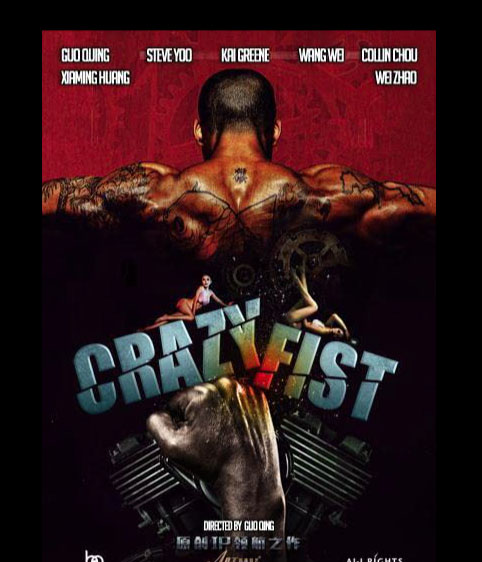
Crazy Fist
Synopsis
This high-octane, action-packed martial arts film directed by Qing Guo follows a skilled, street-smart martial artist who enters an underground, high-stakes combat tournament in a bustling Asian metropolis to track down the ruthless syndicate responsible for his brother's mysterious death. Blending lightning-fast hand-to-hand combat choreography with gritty underworld conspiracies, the protagonist must fight his way through wave after wave of brutal fighters and corrupt bosses. As he uncovers deep-seated corruption reaching the highest levels of the city's elite, he must rely on his lightning-fast reflexes and unwavering determination to survive. It is a thrilling, bone-crushing martial arts thriller.
The Making of the Film
The project originated from independent Asian action filmmakers and director Qing Guo's ambition to craft a fast-paced, traditional martial arts tournament film celebrating brutal, authentic hand-to-hand combat choreography. Filmmakers sought to combine classic Hong Kong action cinema styles with modern cinematic camera framing. Inspiration was drawn from classic martial arts epics, underground fight clubs, and gritty crime thrillers. The creative team aimed to produce an entertaining action crowd-pleaser.
Critical Reception
Critics offered mixed reviews, praising the film's bone-crushing martial arts fight choreography and fast-paced action framing while critiquing its predictable revenge plot and thin character development. Reviewers noted that while the narrative played it safe for genre fans, the relentless hand-to-hand combat sequences delivered solid weekend entertainment. The underground cage-match settings received modest praise. Despite a quiet independent release, it found a solid audience among martial arts streaming fans.
Audience reception was warm among action enthusiasts and martial arts fans looking for fast-paced physical combat. Viewers on public platforms praised the fast kicks, brutal tournament fights, and gritty underworld atmosphere. Fans of traditional martial arts movies appreciated its unpretentious action tone. Word-of-mouth sustained quiet home entertainment rentals.
Awards season brought no major mainstream nominations, though the film received occasional recognition at independent action showcases for its stunt choreography. Critics' associations acknowledged the impressive martial arts stunt work. While it did not alter the landscape of cinema, it maintained a solid fan base among action fans.
Behind-the-Scenes Stories
The director and production team drew visual inspiration from classic Hong Kong martial arts cinema, gritty underground fight club aesthetics, and neon-lit urban alley photography to establish a tough aesthetic. Every location, from the smoke-filled underground combat arena to shadowy industrial warehouses, was constructed with practical physical effects. The production team collaborated with professional stunt coordinators to ensure that kicks, punches, and throws looked visceral and authentic. These artistic choices created an immersive action world.
Production presented fun logistical challenges, particularly in coordinating complex martial arts stunt choreography and fight sequences across tight independent shooting schedules. The lead actors underwent rigorous physical training to perform high-speed combat movements safely. Furthermore, maintaining fast action pacing kept the narrative zippy.
During filming of the intense tournament cage-fight sequences, the stunt actors executed their flying kicks and takedowns amidst practical ring ropes with total professional commitment. To maintain upbeat timing, Qing Guo utilized rapid editing. The crew utilized moody neon lighting. This rigorous dedication resulted in standout action moments.
Casting was anchored by securing talented martial artists and action actors to drive the gritty tournament narrative. This targeted casting strategy drove initial visibility.
Themes Explored
The narrative deeply explores themes of martial arts revenge, underground tournament fighting, and avenging fallen family members. It examines underworld corruption, martial honor, and surviving brutal physical trials. Additionally, it highlights resilience, brotherhood, and fighting against insurmountable odds. Ultimately, the film reflects on strength, justice, and the power of discipline.
Ending Explained
The protagonist successfully defeats the corrupt syndicate boss in an epic final one-on-one cage match showdown, exposing the criminal conspiracy and finding a measure of peace for his brother's memory. In the final triumphant shot, the martial artist walks away from the arena into the sunrise. The satisfying conclusion celebrates absolute retributive justice.
Meaning of the Title
The title directly references the protagonist's signature martial arts fighting style and lethal hand techniques ("Crazy Fist").
Similar Films
Films sharing similar martial arts tournament action, underground fighting, and revenge themes include The Raid (2011), Ong-Bak (2003), and Undisputed III: Redemption (2010).