

 Français
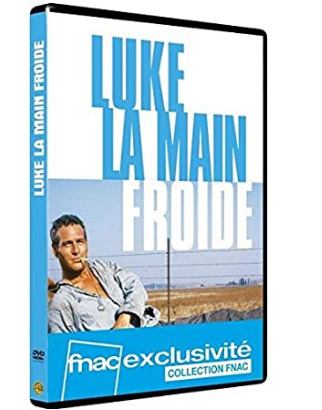
Cool Hand Luke
Synopsis
Set in a brutal southern prison camp in Florida during the early 1950s, Lucas Luke Jackson is a decorated, charming veteran war hero who is sentenced to two years in a harsh chain gang after drunkenly vandalizing parking meters in a petty act of rebellion. Refusing to submit to the sadistic psychological tyranny of the prison warden and brutal guards, Luke stubborn resilience and cheeky defiance earn him the deep admiration and worship of his fellow inmates, who dub him Cool Hand Luke. Despite enduring grueling solitary confinement boxes and backbreaking asphalt paving labor, Luke refuses to break his unbreakable spirit, attempting multiple daring escapes. His legendary defiance becomes a symbol of freedom against totalitarian oppression.
The Making of the Film
Director Stuart Rosenberg adapted the classic prison drama from Don Pearce semi-autobiographical 1965 novel of the same name, drawing from Pearce own experiences on a Florida chain gang. Producer Gordon Carroll and Warner Bros. financed the prestige production as a star vehicle for Paul Newman, capturing the anti-establishment counterculture spirit of the late 1960s.
Critical Reception
Critics universally acclaimed Cool Hand Luke upon its release, praising Stuart Rosenberg gritty direction, Don Pearce and Frank Pierson Oscar-nominated screenplay, and Paul Newman iconic, charismatic lead performance. Reviewers lauded the film for its powerful Christ-figure allegory, anti-establishment rebellion, and stellar supporting turns by George Kennedy and Strother Martin. It is universally celebrated as a masterpiece of American cinema.
Public reception was phenomenal, turning the prison drama into a massive box-office blockbuster worldwide and a defining cultural touchstone of the New Hollywood era. Audiences fell in love with Luke unmatched defiance and famous egg-eating contest. Its cultural footprint is monumental.
The film earned four Academy Award nominations, winning the Oscar for Best Supporting Actor for George Kennedy. Paul Newman earned widespread Oscar praise for his legendary anti-hero portrayal. Its critical legacy is untouchable.
Behind-the-Scenes Stories
Director Stuart Rosenberg drew inspiration from southern chain gang history, biblical Christian allegories, and counterculture prison literature. He chose authentic, scorching location shooting in Stockton, California, standing in for the brutal Florida prison camp. His direction pushed Paul Newman to cultivate his legendary blue-eyed rebellious charm.
Production went smoothly, supported by professional stunt coordinators and a stellar supporting ensemble of character actors. Paul Newman famously ate fifty hard-boiled eggs in a single scene, though many were simulated for his stomach comfort. Strother Martin delivered the iconic line What we have here is failure to communicate.
A memorable sequence involves Luke standing exhausted in the middle of a prison road eating fifty hard-boiled eggs to win a bet among cheering inmates. The scene became one of the most famous moments in cinema history. Newman deadpan swagger anchored the humor.
The casting process brought together top-tier Hollywood talent. Paul Newman was cast as Luke Jackson, delivering a career-defining performance that cemented his status as cinema ultimate anti-hero. George Kennedy won an Oscar for Dragline.
Themes Explored
The film explores institutional oppression, anti-establishment rebellion, human dignity, martyrdom, and freedom. It highlights how an unbreakable human spirit survives brutal totalitarian cages. Defiance inspires brotherhood.
NULL
Meaning of the Title
The title refers directly to the prisoners affectionate nickname for Luke, honoring his cool, unflappable demeanor and smooth gambling swagger under brutal prison pressure. It highlights the iconic protagonist.
NULL
NULL
Similar Films
Other similar films include The Shawshank Redemption, Escape from Alcatraz, and Papillon.