

 Français
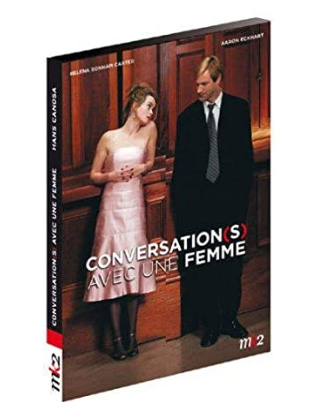
Conversations with Other Women
Synopsis
At a lavish New York wedding reception, an unnamed man and woman meet and feel an instant, undeniable spark. Despite both being married to other people, they spend the night together drinking, talking, and reminiscing about past romance. As the evening progresses, layers of history, regret, and unresolved passion are revealed between them. Their witty banter masks a deeper melancholic truth about choices made and paths not taken in their lives.
The Making of the Film
Director Hans Canosa and screenwriter Gabrielle Zevin wanted to explore the complexities of long-term regret and missed romantic connections. They conceived the narrative structure as a continuous visual experiment using split-screen technology. The goal was to simultaneously display two different emotional perspectives of the same conversation on screen.
Critical Reception
Critics praised the film for its innovative split-screen cinematography, sharp dialogue, and profound emotional depth. Reviewers highlighted the incredible chemistry between Aaron Eckhart and Helena Bonham Carter as the driving force of the narrative. Some critics noted that the constant visual gimmick could be disorienting, but most commended its artistic success.
Audiences appreciated the raw, intimate portrayal of adult relationships, heartbreak, and nostalgia. Viewers connected with the realistic dialogue that captured the bittersweet nature of rekindling old flames. It earned praise on the independent film circuit for its theatrical, minimalist staging.
The film received recognition at various independent film festivals for its bold visual storytelling and screenplay. Helena Bonham Carters performance was particularly celebrated by critics groups for its nuance and vulnerability. It remains a hidden gem for fans of intimate indie cinema.
Filming Anecdotes
Director Hans Canosa drew inspiration from theatrical stage plays and classic romantic dramas focusing on dialogue-driven intimacy. He wanted the split-screen technique to act as a window into the characters internal thoughts and shifting moods. Every camera angle was meticulously planned to ensure seamless visual balance throughout the runtime.
Production was uniquely challenging due to the strict reliance on split-screen filming for nearly every single frame. The actors had to maintain absolute precision with their timing and positioning so that both halves of the screen aligned perfectly. Rehearsals were extensive to ensure the rapid-fire dialogue flowed naturally despite technical constraints.
A memorable sequence involves the couple retreating to a hotel room where their playful flirting turns into emotional confession. The split-screen format brilliantly contrasts their guarded public personas with their intimate private dialogue. Both actors delivered powerhouse performances that sustained the intensity of the scene.
The casting process was crucial since the entire film rests on the shoulders of two lead actors. Aaron Eckhart brought rugged charm and emotional weariness to the male lead. Helena Bonham Carter was cast for her remarkable ability to convey sharp wit and deep sorrow simultaneously.
Themes Explored
The film explores themes of marital infidelity, nostalgia, and the haunting weight of past choices. It questions whether first loves truly ever leave a person regardless of time and distance. The bittersweet nature of memory and emotional maturity are central to the narrative.
NULL
Title Significance
The title reflects the couples ongoing discussions about past relationships, infidelity, and romantic history. It highlights the lingering ghosts of other lovers that shape their current emotional states and decisions.
NULL
NULL
Similar Films
Other similar films include Before Sunrise, Closer, and Blue Valentine.