

 Français
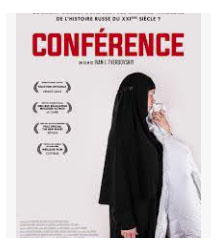
Conference
Synopsis
This haunting, emotionally devastating Russian drama film written and directed by Ivan I. Tverdovsky follows Natasha, a successful Moscow businesswoman and mother who returns to her native hometown for a solemn, highly sensitive public commemoration event: a theatrical memorial conference held inside the Moscow theater exactly sixteen years after the tragic 2002 Dubrovka theater hostage crisis where Chechen terrorists held hundreds of people captive for days. Having survived the terrorist attack that claimed the lives of many family members, Natasha struggles against immense public hostility, bureaucratic coldness, and her own deeply suppressed survivor guilt as she attempts to organize the memorial and find closure. It is a stunning, deeply empathetic exploration of historical trauma.
The Making of the Film
The project originated from visionary Russian auteur Ivan I. Tverdovsky's ambition to craft an uncompromising, highly realistic psychological drama exploring the collective trauma and institutional silence surrounding the real-life 2002 Moscow theater hostage crisis. Tverdovsky spent years interviewing actual survivors and researching theatrical hostage archives to ensure that the procedural mechanics of organizing a memorial event mirrored authentic psychological recovery processes. Inspiration was drawn from real-world geopolitical terrorism, survivor testimonies, and European art-house cinema. The creative team aimed to produce a bold, sensitive masterpiece.
Critical Reception
Critics offered widespread, rapturous acclaim, praising Ivan I. Tverdovsky's daring direction, stark documentary-style cinematography, and Natalia Pavlova's powerhouse, emotionally raw lead performance. Reviewers noted that Tverdovsky successfully avoided exploitative thriller clichés, delivering instead a quiet, agonizingly authentic psychological character study about the heavy, lingering price of surviving mass trauma. Pavlova's nuanced portrayal of a survivor carrying unbearable secret guilt received universal applause at international film festivals including Venice. It was immediately recognized as an independent cinema triumph.
Audience reception was deeply moved and emotionally overwhelmed, driving the film to strong international art-house success and earning critical acclaim across global film festivals. Viewers on public platforms praised the tense theater reenactment scenes, brilliant acting ensemble, and the complex ethical questions surrounding public memory. Fans of international drama celebrated its supreme empathy. Word-of-mouth sustained strong global prestige.
Awards season brought major triumph, securing prestigious nominations and wins at international film festivals including the Kinotavr Film Festival. Critics' associations praised the film for its stylistic brilliance and narrative authenticity. These accolades cemented its status as a premier masterpiece of modern international drama.
Behind-the-Scenes Stories
The director and production team drew visual inspiration from documentary news broadcast archives, realistic theater staging, and minimalist art-house framing to establish a chilling, documentary-style aesthetic. Every location, from the sterile municipal conference halls to the shadowy theater auditorium, was carefully chosen to reflect the cold bureaucratic indifference survivors face. The production team collaborated with trauma recovery specialists to ensure that survivor guilt and PTSD symptoms were portrayed with absolute dignity and realism. These artistic choices created an authentic art-house world.
Production presented fascinating logistical and technical hurdles, requiring lead actress Natalia Pavlova to deliver a physically and emotionally draining performance that required reliving harrowing hostage memories on stage. Ivan I. Tverdovsky encouraged subtle, understated performances, allowing silence to carry the emotional weight. Furthermore, maintaining strict emotional consistency across heavy dramatic sequences demanded obsessive focus from the cast.
During the filming of the pivotal emotional theater-stage confession sequences, Natalia Pavlova executed her heartbreaking dialogue in continuous, gripping takes. To maintain authentic tension, Tverdovsky utilized long, unbroken master shots. The crew utilized natural available lighting. This rigorous dedication resulted in immortal cinematic moments.
Casting was anchored by securing acclaimed actress Natalia Pavlova in a career-defining lead role that showcased her profound dramatic depth, alongside a brilliant ensemble of supporting actors portraying survivors. This targeted casting strategy was the absolute heartbeat of the film's success.
Themes Explored
The narrative deeply explores themes of historical trauma, survivor guilt, and the collective memory of national tragedies. It examines institutional bureaucracy, memorialization, and the agonizing process of finding closure after terrorism. Additionally, it highlights maternal sacrifice, resilience, and healing psychological wounds. Ultimately, the film reflects on sorrow, memory, and the enduring human spirit.
Ending Explained
Natasha finally breaks down in tears during her public speech on the theater stage and confesses her deepest secret—that she briefly abandoned her children inside the auditorium out of sheer terror during the initial terrorist raid sixteen years ago—before receiving quiet, forgiving embraces from surviving family members in the audience. In the haunting final shot, Natasha sits alone in the empty theater auditorium, finally feeling a fragile sense of peace. The devastating resolution underscores the healing power of absolute honesty.
Meaning of the Title
The title directly references the formal memorial gathering and theatrical conference organized by survivors to honor the victims ("Conference").
Similar Films
Films sharing similar historical trauma, terrorist attack survival, and psychological drama themes include 22 July (2018), United 93 (2006), and Oslo, August 31st (2011).