

 Français
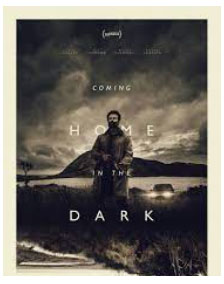
Coming Home in the Dark
Synopsis
A school teacher, his wife, and their two teenage sons embark on a scenic weekend road trip through the isolated, rugged wilderness of New Zealand. Their peaceful journey is violently interrupted when they encounter two unhinged drifters who hijack their vehicle and force them into the remote backcountry. What begins as a terrifying roadside abduction quickly escalates into a brutal psychological nightmare driven by past sins and merciless cruelty. As the captors force the father to confront a buried trauma from his past, survival becomes an uncertain gamble.
The Making of the Film
Director James Ashcroft adapted the chilling short story by Owen Marshall, marking his feature film directorial debut with an uncompromising psychological thriller. Ashcroft wanted to explore how sudden, senseless violence can shatter the illusions of civilized suburban life against a backdrop of haunting natural landscapes. The production utilized remote New Zealand coastal roads and bleak highland terrain to create an inescapable atmosphere of dread. Daniel Gillies delivered a terrifying, charismatic performance as the sadistic drifter leading the abduction.
Critical Reception
Critical Reception
Résumé des critiques professionnelles : Critics praised Coming Home in the Dark as a masterclass in relentless tension, psychological dread, and stark neo-noir brutality. Reviewers lauded Daniel Gillies's chilling, powerhouse villainous performance, alongside a gripping script that constantly subverts expectations. The film was commended for avoiding cheap jump scares in favor of heavy moral ambiguity and lingering trauma. It became an instant critical darling on the international festival circuit.
Réception du public : Thriller fans and horror enthusiasts embraced the stark, uncompromising tone and nerve-wracking suspense.
Récompenses obtenues : Premiered at the Sundance Film Festival to widespread critical acclaim, earning multiple festival awards for its screenplay and villainous acting.
Behind-the-Scenes Stories
Inspirations du réalisateur : James Ashcroft was inspired by Owen Marshall's dark literary short story and wanted to examine how repressed guilt surfaces during extreme crisis.
Difficultés de production : Shooting exterior night scenes in freezing, windswept New Zealand wilderness tested the physical endurance of both cast and crew.
Anecdote sur une scène particulière : Daniel Gillies deliberately stayed away from the family actors between takes to maintain genuine onscreen tension during abduction scenes.
Casting initialement prévu : Daniel Gillies was cast early on to subvert his usual heroic television casting by playing a cold-blooded, philosophical psychopath.
Themes Explored
The film explores repressed guilt, moral responsibility, childhood trauma, sadistic cruelty, and the fragility of civilized safety.
Meaning of the Title
The title Coming Home in the Dark refers both to the literal nocturnal journey back from the wilderness and the descent into psychological darkness.
Similar Films
Films like The Hitcher, Eden Lake, and Funny Games share similar roadside abduction terror and relentless psychological torment.