

 Français
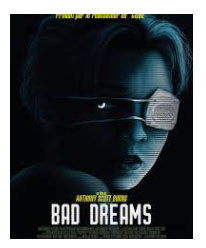
Come True
Synopsis
Sarah is a troubled teenager who is struggling to sleep after running away from home. In search of help, she signs up for a sleep study at a local university. Soon, the researchers discover something unusual about her dreams, and they begin to notice a menacing figure that appears in every volunteer's nightmares. As the boundary between dreams and reality starts to blur, Sarah becomes the center of a disturbing mystery.
The Making of the Film
Come True is a Canadian science-fiction horror film written and directed by Anthony Scott Burns. It was released in 2020 and was known in some markets under the title Bad Dreams. Burns developed the project as a personal and atmospheric story about the fear of sleep and the mystery of the unconscious. He also handled the cinematography and the editing and composed part of the music himself, giving the film a unified vision. Julia Sarah Stone plays Sarah, with Landon Liboiron as one of the researchers. The production was made on a small budget, which pushed the team to rely on striking images and sound instead of expensive effects. The dream sequences were designed to feel like fragments of a shared nightmare. The result is a moody, synth-driven film that recalls the sci-fi horror of the 1980s.
Critical Reception
Critics were divided, but many admired the film's atmosphere, visuals and sense of dread. The strong performance of Julia Sarah Stone was often praised. Some felt that the story was too vague or that the plot dissolved in its second half. Still, its ambition and distinctive style won it a cult audience.
Genre fans responded positively to the retro look and the hypnotic mood. Viewers who prefer clear explanations were more frustrated. Over time, it has gained a reputation as an effective low-budget nightmare.
The film received attention at genre festivals, and several critics included it in their lists of notable independent horror releases. It was recognized above all for its craft and mood rather than for major awards.
Themes Explored
The film explores the vulnerability of the mind during sleep and the fear of what might be hidden in our subconscious. It also touches on alienation, youth and the search for safety in a world that feels hostile. The idea of shared dreams raises questions about privacy and the limits of scientific curiosity. Beneath the horror, it is a story about a young woman who feels profoundly alone.
Ending Explained
The film ends with a striking revelation about Sarah's connection to the shadowy figure that haunts the dreams. The final scenes suggest that her bond with these visions is deeper than anyone realized, and that the boundary between dreamer and nightmare is not as clear as it seems. Much is left deliberately ambiguous, inviting viewers to interpret what has happened. The ending leaves a lingering sense of unease rather than a neat solution.
Meaning of the Title
The title plays on the expression dreams come true, but turns it into a threat. It suggests that the nightmares seen in sleep may not stay confined to the mind. It also hints at the film's central question of what happens when dreams become real. The original French release title, Bad Dreams, emphasizes the horror side more directly.
Original Soundtrack
The synth-heavy score is one of the film's greatest strengths. It builds a hypnotic, dreamlike atmosphere that echoes the sound of classic 1980s science fiction and horror. The music, which includes contributions from Electric Youth, works hand in hand with the visuals to create a sense of constant unease.
Similar Films
A Nightmare on Elm Street is the classic story of a killer who invades dreams. Inception explores shared dreams in a very different, more cerebral way. It Follows shares the same retro synth atmosphere and sense of creeping dread. Paprika is another film that blurs the line between dreams and reality.