

 Français
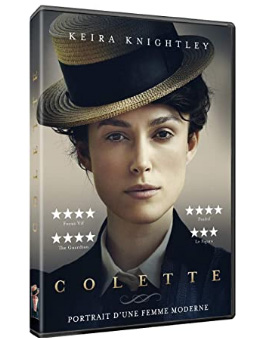
Colette
Synopsis
This captivating biographical drama explores the early life and literary awakening of Sidonie-Gabrielle Colette, a brilliant French novelist trapped in a stifling marriage to a charismatic intellectual known as Willy. Living in Paris, Colette is coerced into ghostwriting semi-autobiographical novels that become massive cultural sensations published under her husband's name. As her literary voice gains confidence, she fights to reclaim her intellectual property, her personal freedom, and her true identity. It is a stylish, empowering, and witty celebration of female emancipation and artistic rebellion.
The Making of the Film
The project originated from a desire to celebrate the trailblazing life of one of France's most liberated and influential literary icons of the twentieth century. The filmmakers sought to craft a visually vibrant period drama that highlighted her journey from a naive country girl to a formidable Parisian literary giant. Inspiration was drawn from comprehensive biographies, her own published writings, and the bohemian social circles of Belle Époque Paris. The creative team aimed to showcase her fierce independence, artistic evolution, and sexual liberation with modern cinematic flair.
Critical Reception
Critics offered enthusiastic praise for the film, highlighting its sharp wit, lavish period aesthetics, and a powerhouse lead performance that commanded the screen. Reviewers noted that the production successfully avoided dry biographical clichés by infusing the narrative with infectious energy, modern sensibility, and sparkling dialogue. The depiction of her complex, toxic marriage and eventual liberation was lauded for its psychological nuance. Critics also praised the gorgeous recreation of turn-of-the-century Parisian salons, art scenes, and fashion.
General audiences responded warmly, particularly appreciating the film's empowering feminist themes and the charismatic interplay between the lead actors. Viewers enjoyed the witty banter and the fascinating peek into the bohemian literary underground of Belle Époque France. Word-of-mouth sustained strong theatrical interest among fans of sophisticated biographical dramas and literary history. It was widely celebrated as a triumphant, spirited cinematic tribute to an extraordinary iconoclast.
Awards season brought significant acclaim, with the lead performance earning numerous nominations and wins from international critics' associations. The costume and production design teams were also celebrated at various film festivals for their stunning evocation of Parisian high society and bohemian art circles. Furthermore, the screenplay received high praise for its clever adaptation of complex literary history into a gripping narrative. These accolades cemented its status as a modern masterpiece of biographical cinema.
Behind-the-Scenes Stories
The director drew aesthetic inspiration from Impressionist paintings, period photography, and Belle Époque interior design to establish the rich, atmospheric visual style of the film. Every parlor, publishing house, and Parisian street was meticulously dressed to reflect the artistic ferment and sensory overload of the era. The production team collaborated with literary historians to ensure that the writing processes and publishing scandals depicted matched historical reality. These artistic choices created an immersive, vibrant world that mirrored the protagonist's awakening.
Production presented fascinating logistical challenges, particularly in recreating the bustling artistic salons and flamboyant theatrical performances of early 1900s Paris. The costume department handcrafted dozens of exquisite period dresses and tailored suits that evolved alongside the protagonist's growing independence. Actors underwent specialized training in French etiquette, quill writing, and theatrical performance to convincingly inhabit the Parisian intelligentsia. Additionally, shooting across historic locations in Hungary and the UK required meticulous scheduling from the location managers.
During the filming of the dramatic Parisian salon gatherings, the director encouraged dynamic, overlapping dialogue to capture the chaotic intellectual energy of the bohemian circles. To enhance authenticity, the lead actress worked closely with dialect coaches and movement coordinators to master the distinct physical grace of the author. The crew utilized warm natural lighting and rich color palettes to emphasize the sensory richness of her creative awakening. This immersive environment helped the cast deliver sharp, emotionally charged performances.
Casting focused on finding a magnetic lead actress who could project fierce intelligence, sharp wit, and unyielding emotional resilience. The chosen star was praised for her ability to portray Colette's evolution from a hesitant young wife to a fearless cultural pioneer. Supporting actors were selected for their ability to balance charming charisma with manipulative cruelty, creating a deeply compelling dynamic. This thoughtful casting strategy anchored the biographical drama in rich, believable human relationships.
Themes Explored
The narrative deeply explores themes of female emancipation, intellectual property rights, and the assertion of authentic identity within a patriarchal society. It examines the toxic dynamics of creative exploitation, marital power struggles, and emotional liberation. Additionally, it celebrates sexual fluidity, bohemian counterculture, and the triumph of artistic self-expression. Ultimately, the film reflects on courage, self-discovery, and breaking free from societal expectations.
Ending Explained
The story concludes with Colette successfully breaking free from her exploitative marriage, claiming public authorship of her literary works, and embracing her true identity on her own terms. As she walks triumphantly through the streets of Paris, the final scene symbolizes her complete liberation and rise as a cultural icon. This empowering resolution celebrates artistic independence and personal reinvention.
Meaning of the Title
The title simply references the mononymous surname and persona adopted by the legendary author, symbolizing her unique cultural legacy.
Similar Films
Films sharing similar biographical, literary, and feminist themes include The Invisible Woman (2013), Miss Potter (2006), and Wilde (1997).