

 Français
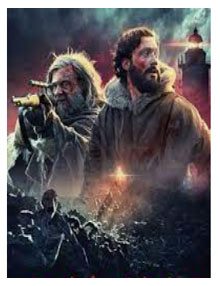
Cold Skin
Synopsis
Set on a remote, windswept, forgotten island at the edge of the Antarctic circle in 1914, a young British weather observer arrives to complete a year-long meteorological isolation posting, only to discover that his predecessor has died and the island lighthouse is inhabited by a volatile, crazed former artillery officer named Gruner. As night falls, the two men find themselves under relentless, terrifying siege by hordes of amphibious, humanoid sea creatures emerging from the freezing ocean depths. Barricaded inside the stone lighthouse, the fragile pair must forge an uneasy tactical alliance while questioning whether the monstrous creatures are mindless beasts or an indigenous civilization being slaughtered. The gothic sci-fi horror film delivers chilling atmospheric dread and monster survival tension.
The Making of the Film
Director Xavier Gens adapted the gothic sci-fi horror film from Albert Sánchez Piñol's internationally acclaimed 2002 best-selling Catalan novel La pell freda, working from a screenplay by Jesús Olmo and E. Max Frye. The inspiration stemmed from combining classic H.P. Lovecraftian creature horror with profound philosophical allegories regarding colonialism, otherness, and human violence. The production team invested heavily in rugged volcanic rocky location shoots in Lanzarote (Canary Islands), custom lighthouse set construction, and intricate creature prosthetic makeup. The script was meticulously structured as a psychological survival siege.
Critical Reception
Professional critics gave mixed reviews, praising the film's stunning windswept cinematography, moody gothic atmosphere, and David O'Keeffe and Ray Stevenson's powerful lead performances, while noting its familiar monster-movie tropes. Reviewers lauded the film for using creature horror as an intelligent metaphor for imperialism and xenophobia. Public reception was warmly enthusiastic among horror and sci-fi genre enthusiasts on international streaming platforms, turning it into a cult favorite. The film earned technical fantasy festival award recognition.
Behind-the-Scenes Stories
Director Xavier Gens drew visual inspiration from classic gothic horror literature, maritime disaster photography, and expressionist art. Production took place on location across volcanic coastal cliffs and stormy seas in Lanzarote, Canary Islands, requiring the cast and crew to endure grueling wind and rain elements. During the filming of intense creature attack sequences, Ray Stevenson and newcomer David O'Keeffe performed rigorous physical stunt work alongside actors encased in complex amphibious monster prosthetics. The makeup department handcrafted wet creature suits.
Themes Explored
The themes explored include colonialism and otherness, monster siege survival, isolation madness, human cruelty versus empathy, and Antarctic existentialism.
Ending Explained Ending Explained The poignant philosophical climax reveals that the humans could have peacefully coexisted with the sea creatures, ending in tragic bloodshed due to mutual misunderstanding.
Meaning of the TitleMeaning of the Title The title Cold Skin refers doubly to the freezing Antarctic weather, the slippery skin of the amphibious sea creatures, and emotional numbness.
Original Soundtrack Víctor Reyes composed a haunting, atmospheric orchestral horror score featuring melancholic cello arrangements and eerie choral chants that anchored the desolate island isolation.
Similar Films The Lighthouse, The Thing, The Shape of Water