

 Français
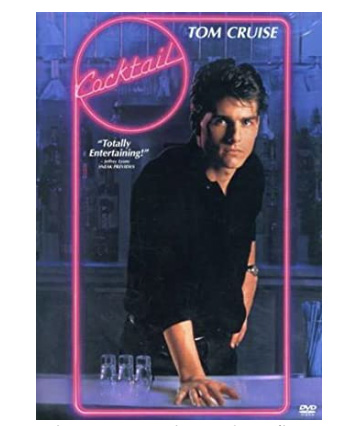
Cocktail
Synopsis
Brian Flanagan is an ambitious young man who arrives in New York hoping to build a successful career in business. After struggling to find employment, he becomes a bartender and learns the art of mixing drinks under the guidance of the experienced Doug Coughlin. The two develop a friendship and become popular for their spectacular bartending performances. Brian eventually travels to Jamaica, where he falls in love with Jordan Mooney and begins questioning his ambitions. His choices force him to confront the difference between financial success, genuine affection and personal fulfillment.
The Making of the Film
Cocktail is based on the 1984 novel by Heywood Gould, who also wrote the screenplay. The story was inspired by the author's observations of the bartending profession and the culture surrounding fashionable bars in New York. Director Roger Donaldson adapted the material into a romantic drama that combines professional ambition, friendship and exotic locations. Tom Cruise was cast as Brian Flanagan, a young man whose desire for success drives much of the narrative. Bryan Brown joined the production as Doug Coughlin, the experienced bartender who becomes Brian's mentor and friend. Elisabeth Shue was selected to play Jordan Mooney, whose relationship with Brian challenges his priorities. The production used the visual appeal of Caribbean locations and spectacular bartending performances to distinguish itself from more conventional romantic dramas. The film was designed to appeal to audiences through its energetic atmosphere, romance and memorable popular music.
Reviews and Reception
Professional reviews: Critical reception was largely negative, with several reviewers criticizing the screenplay and its romanticized portrayal of ambition. Tom Cruise's charisma and the film's energetic atmosphere received more favorable comments. Some critics also recognized the effectiveness of the supporting performances and the production's visual appeal. The story was frequently criticized for relying on familiar romantic and dramatic conventions.
Audience reception: Despite the negative critical response, Cocktail became a substantial commercial success. Audiences were attracted by Tom Cruise's performance, the Caribbean setting and the film's memorable music. Its portrayal of flamboyant bartending helped establish a distinctive visual identity. Over the years, it has developed a nostalgic following among viewers who associate it with the popular cinema of the late 1980s.
Awards: Cocktail received an Academy Award nomination for Best Original Song for Kokomo, performed by The Beach Boys. The song became one of the production's most recognizable musical elements. The film also received recognition through popular music and entertainment awards. Its cultural impact was considerably greater than its critical standing at the time of release.
Behind-the-Scenes Stories
Director's inspirations: Roger Donaldson was interested in the transformation of a young man who initially measures success through money and social recognition. The original novel provided the basis for exploring the competitive culture of bartending and the ambitions of people working in the service industry. The director emphasized the contrast between New York's urban environment and the more relaxed atmosphere of Jamaica. Tom Cruise's energetic screen presence was central to the film's commercial identity.
Production challenges: Tom Cruise had to learn the techniques required to perform convincing cocktail-flair routines. The production required coordination between actors, professional bartenders and stunt specialists. Filming in tropical locations presented logistical challenges involving weather, transportation and location management. The production also needed to make the bar sequences visually spectacular while maintaining the rhythm of the romantic storyline.
Notable scene: The bartending performances are among the most recognizable sequences in the film. Brian and Doug use bottle throwing, juggling and elaborate movements to entertain customers. These scenes helped popularize flair bartending among mainstream audiences. They also symbolize the characters' desire to turn an ordinary profession into a form of performance and personal recognition.
Original casting: Tom Cruise was chosen for the central role, bringing his growing star power to the production. Bryan Brown was cast as Doug Coughlin, providing an older and more experienced counterpart. Elisabeth Shue played Jordan Mooney, while Kelly Lynch portrayed Kerry Coughlin. The combination of these performers established the romantic and dramatic relationships that shape the story.
Themes Explored
Ambition and the pursuit of success are central themes in Cocktail. Brian initially believes that wealth and professional recognition will provide him with happiness. His relationship with Doug reveals the attraction and dangers of a lifestyle built around appearances and excess. Friendship is another important theme, particularly through the complicated bond between the two bartenders. The film also explores mentorship and the influence that older individuals can have on younger people. Love challenges Brian's priorities and forces him to reconsider the sacrifices he is willing to make. The contrast between New York and Jamaica symbolizes two different approaches to life, one centered on competition and the other on personal freedom. The story also examines temptation, pride and the consequences of confusing material success with genuine fulfillment. Ultimately, it suggests that personal happiness requires a balance between ambition, responsibility and emotional commitment.
Ending Explained
The conclusion brings Brian's personal and professional journeys to an important turning point. After experiencing the consequences of his friendship with Doug and the failures of his earlier ambitions, Brian begins to reconsider what matters most. His relationship with Jordan represents an opportunity to build a more meaningful life based on affection and mutual commitment. The film contrasts this possibility with the superficial rewards associated with wealth and social prestige. Brian gradually understands that success cannot be measured exclusively through money or public recognition. His professional experience also allows him to move toward a more stable future. The ending reinforces the importance of accepting responsibility for personal decisions. It suggests that maturity involves recognizing the difference between temporary excitement and lasting happiness. Brian's final choices therefore represent a departure from the reckless ambitions that dominated the beginning of the story.
Meaning of the Title
The title Cocktail refers directly to the profession that brings Brian and Doug together. It also evokes the social environment of fashionable bars, where drinks become part of a larger culture of entertainment and attraction. A cocktail combines different ingredients to create a balanced mixture, making it an appropriate metaphor for the film's mixture of romance, ambition, friendship and comedy. The title also reflects the spectacular presentation of bartending that became one of the production's most recognizable features. It suggests a world in which appearance and performance can be as important as substance. The characters initially use their profession as a means of achieving popularity and financial success. However, the story gradually reveals that life requires more than an attractive combination of experiences. The title therefore captures both the glamorous surface and the underlying emotional tensions of the film.
The soundtrack is one of Cocktail's most recognizable elements and played a major role in its commercial identity. It includes Kokomo by The Beach Boys, which became an international hit and reached the top of the American singles chart. The film also features Don't Worry, Be Happy by Bobby McFerrin, another enormously successful song of the period. The combination of pop, rock and Caribbean-inspired music reinforces the tropical atmosphere of the story. The soundtrack remains closely associated with the film and is often remembered independently of its plot.
Similar Films
Top Gun offers another portrait of Tom Cruise as an ambitious young man learning about responsibility and personal relationships. Days of Thunder combines professional ambition, romance and the development of a competitive personality. The Color of Money explores mentorship, ambition and the complicated relationship between an experienced professional and a younger talent. Dirty Dancing combines romance, personal growth and a memorable musical atmosphere. Coyote Ugly portrays young people pursuing professional dreams in an energetic bar environment. Leaving Las Vegas explores the darker side of drinking culture and personal relationships. Jerry Maguire examines ambition, career transformation and the search for personal meaning. These films share Cocktail's interest in youthful ambition, professional identity, romance and the difficult process of discovering what truly matters in life.