

 Français
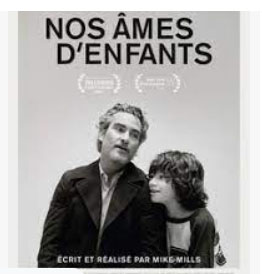
C'mon C'mon
Synopsis
This breathtaking, profoundly moving, and critically acclaimed black-and-white drama film written and directed by Mike Mills follows Johnny, a kind, gentle radio journalist traveling across America to interview various children about their hopes, fears, and visions for the uncertain future of the world. When Johnny's estranged sister Viv unexpectedly asks him to look after her bright, eccentric nine-year-old son Jesse in Los Angeles while she tends to her mentally ill former partner, Johnny eagerly agrees and takes Jesse along with him on a cross-country audio-recording work trip from Detroit to New York. As uncle and nephew navigate airports, hotel rooms, and deep philosophical conversations, an unbreakable bond forms between them. It is a tender, humanist masterpiece.
The Making of the Film
The project originated from visionary writer-director Mike Mills drawing deeply from his own experiences raising a child and observing generational communication, crafting a tender, humanist drama exploring how adults and children talk to one another about life. Mills chose to shoot the film in striking, luminous black-and-white cinematography to give the contemporary journey a timeless, poetic documentary feel. Inspiration was drawn from real-life interviews with children across American cities, parenthood, and classic humanist cinema. The creative team aimed to produce an uncompromised artistic gem.
Critical Reception
Critics offered widespread, rapturous acclaim, praising Mike Mills's gentle direction, Robbie Ryan's stunning black-and-white cinematography, and the extraordinary lead performances of Joaquin Phoenix and child actor Woody Norman. Reviewers noted that Mills successfully avoided sentimental melodrama, delivering instead a deeply authentic, patient, and emotionally resonant portrait of caregiving, listening, and familial love. Woody Norman received universal acclaim and earned an Academy Award nomination for Best Supporting Actor for his astonishingly natural portrayal of Jesse. It was immediately recognized as an independent cinema triumph.
Audience reception was deeply moved and emotionally overwhelmed, driving the film to strong art-house box office success and earning widespread critical adoration across global film festivals. Viewers on public platforms praised the touching bedtime conversations, real children interviews about the future, and Joaquin Phoenix's tender uncle persona. Fans of Mike Mills celebrated his supreme empathy and artistic brilliance. Word-of-mouth sustained strong long-term prestige.
Awards season brought major triumph, securing an Academy Award nomination for Woody Norman, alongside numerous independent critic awards for Mills's screenplay and Phoenix's lead performance. Critics' associations praised the film for its stylistic brilliance and emotional authenticity. These accolades cemented its status as a premier masterpiece of modern independent cinema.
Behind-the-Scenes Stories
The director and production team drew visual inspiration from documentary photography, classic street portraits, and luminous black-and-white art-house cinema to establish a timeless aesthetic. Every city visited on the radio tour—Detroit, New York, Los Angeles, and New Orleans—was captured with naturalistic framing that highlighted urban architecture and human connection. The production team collaborated with real-child interview subjects to ensure that Johnny's documentary radio recordings featured genuine, unscripted responses from American youth. These artistic choices created an authentic documentary-style world.
Production presented fascinating logistical and technical hurdles, requiring Joaquin Phoenix and young newcomer Woody Norman to build profound emotional trust through months of hanging out and rehearsing before shooting on the road. Mike Mills encouraged improvised dialogue, allowing Norman to surprise Phoenix with organic reactions. Furthermore, maintaining strict emotional consistency across gorgeous black-and-white lighting setups demanded obsessive focus from the cinematographer.
During the filming of the emotional hotel-room breakdown sequences where Jesse acts out due to family stress, Joaquin Phoenix and Woody Norman executed their delicate dialogue in continuous, gripping takes. To maintain authentic tension, Mills utilized long, unbroken master shots. The crew utilized natural available lighting. This rigorous dedication resulted in immortal cinematic moments.
Casting was anchored by securing Oscar winner Joaquin Phoenix in a rare, gentle dramatic lead role, alongside breakout child star Woody Norman delivering an unforgettable performance as Jesse. Supporting roles featured Gaby Hoffmann as Viv and Scoot McNairy. This targeted casting strategy was the absolute heartbeat of the film's success.
Themes Explored
The narrative deeply explores themes of parenthood, caregiving, and the delicate art of truly listening to children. It examines mental illness, family support systems, and the anxieties youth hold regarding the future of our planet. Additionally, it highlights uncle-nephew bonding, patience, and navigating emotional breakthroughs. Ultimately, the film reflects on time passing, love, and the profound beauty of ordinary human connection.
Ending Explained
Johnny finally returns Jesse safely to his mother Viv in New York after a transformative journey across America, leaving Johnny with a profound, lasting understanding of what it means to care for a child and guide them through life's uncertainties. In the poignant final montage, Jesse is shown running freely through a park while audio voiceovers of children discussing their dreams play softly over the soundtrack. The moving resolution underscores the enduring legacy of listening.
Meaning of the Title
The title ("C'mon C'mon") reflects the gentle, encouraging phrase adults use when urging children along in daily life.
Similar Films
Films sharing similar tender family dynamics, uncle-nephew bonding, and humanist indie drama themes include Beginners (2010), Eighth Grade (2018), and Manchester by the Sea (2016).