

 Français
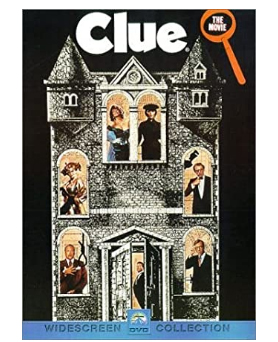
Cluedo
Synopsis
Six colorful guests arrive at an isolated New England mansion in 1954 for a mysterious dinner party hosted by an anonymous blackmailing benefactor. When their host turns up murdered, the guests must work together—and against each other—to uncover which of them is the killer. Led by a sharp-witted butler and a nervous maid, the mansion becomes a chaotic game of accusation and suspicion. As the body count rises, every room hides a new secret and a potential weapon.
The Making of the Film
Director Jonathan Lynn adapted the screenplay from the immensely popular Hasbro board game Clue, collaborating closely with producer Jon Peters. The production wanted to capture the snappy farce style of classic whodunits while leaning heavily into slapstick physical comedy. To mirror the interactive nature of the board game, theatrical screenings famously featured different endings sent to various cinemas across the country. The ensemble cast was carefully selected to represent veteran comedic stage and screen talents.
Critical Reception
Professional critics offered mixed reviews upon initial release, with some feeling the gimmick overshadowed the narrative while others praised the energetic comedic performances. Over time, however, the film achieved massive cult status and became widely celebrated as a brilliant comedic adaptation. Audiences adored the witty banter, quotable dialogue, and ingenious pacing. It remains a beloved classic of comedic murder-mystery cinema.
Behind-the-Scenes Stories
Director Jonathan Lynn encouraged the cast of seasoned comedy stars to improvise physical gags and witty retorts during intense group scenes. The mansion sets were meticulously constructed on a soundstage to allow for continuous tracking shots as characters dashed between rooms. Madeline Kahn famously improvised her iconic 'flames on the side of my face' monologue during rehearsal. The multiple endings required the cast to shoot different resolution scenes separately over several weeks.
Themes Explored
The film explores paranoia, greed, blackmail, and the absurdity of social pretension among the wealthy elite during the Red Scare era. It satirizes classic murder-mystery tropes by turning suspense into frenetic farce. Trust and deception are continuously tested as motives shift with every new body discovered.
Ending Explained
The various alternate endings reveal different suspects as the murderer, each explaining how and why they committed the crimes based on accumulated clues. In the final canonical theatrical conclusion, the butler is revealed to be an undercover federal agent arresting the surviving guests for their respective blackmail crimes. The clever resolution ties up every loose end with theatrical flair.
Meaning of the Title
The title refers directly to the classic board game Clue upon which the entire cinematic mystery narrative is based.
Similar films include Murder by Death, Knives Out, and Gosford Park for their witty ensemble murder mysteries.