

 Français
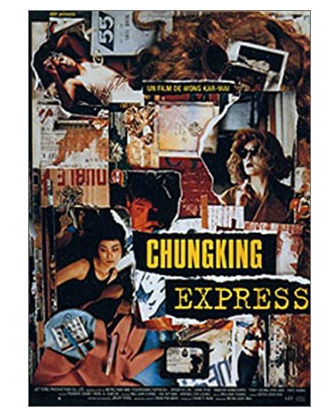
Chungking Express
Synopsis
Set in the bustling, neon-lit urban labyrinth of Hong Kong, the film is told in two distinct, loosely connected romantic stories. The first segment follows Cop 223, a heartbroken policeman mourning his breakup who gives himself one month to fall in love with a mysterious blonde drug smuggler wearing a raincoat and wig. The second segment follows Cop 663, a melancholic policeman whose stewardess girlfriend has just left him, unaware that Faye, a quirky, eccentric young woman working at a local midnight fast-food stall, has become infatuated with him and secretly breaks into his apartment every day to tidy up his living space and rearrange his life. Both stories capture the bittersweet loneliness and romantic longing of urban life.
The Making of the Film
Writer-director Wong Kar-wai conceived and shot the film rapidly during a brief break in post-production on his martial arts epic 'Ashes of Time'. Wong wanted to capture the frantic, melancholic pulse of modern Hong Kong using handheld cameras, natural neon lighting, and improvised narrative structures.
Critical Reception
Professional critics universally acclaimed the film as a masterpiece of modern cinema, praising Christopher Doyle's stunning handheld cinematography, intoxicating pop soundtrack, and Wong's visionary romantic direction.
The general public and art-house film enthusiasts embraced the movie warmly, cementing its status as an immortal cult classic of world cinema.
The film won numerous Hong Kong Film Awards, including Best Director and Best Actor for Tony Leung.
Behind-the-Scenes Stories
Director Wong Kar-wai drew inspiration from urban Hong Kong nightlife, French New Wave cinema, and pop music rhythms. Production required guerrilla-style street shooting across Hong Kong without official permits, capturing authentic urban crowds and neon reflections.
During the filming of the apartment break-in sequences, Faye Wong improvised charming eccentric choreography around Tony Leung's apartment.
Initially, Wong designed three separate interconnected stories, but dropped the third story due to runtime limits.
Themes Explored
The film explores urban loneliness, romantic longing, memory expiration dates, urban alienation, and chance encounters.
Ending Explained
The ending shows Cop 663 meeting Faye working as an airline stewardess in the same fast-food shop a year later, where she hands him a boarding pass ticket to California, leaving their romantic future open to hope.
Meaning of the Title
The title 'Chungking Express' references the labyrinthine Chungking Mansions building in Tsim Sha Tsui and the Midnight Express fast-food stall where the characters cross paths.
Similar Films
Fallen Angels, In the Mood for Love, Lost in Translation, Happy Together