

 Français
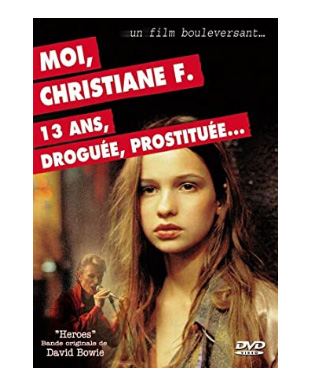
Christiane F.
Synopsis
Christiane F. (also known as Christiane F. - We Children from Bahnhof Zoo) is a harrowing and unflinching biographical drama based on the shocking true-life best-selling German memoir. Set in late 1970s West Berlin, the story follows Christiane, a lonely and neglected 13-year-old schoolgirl who becomes drawn into the city's dazzling David Bowie-obsessed youth subculture. Seeking excitement and belonging, she falls in with a group of troubled peers and descends rapidly into severe heroin addiction. To support their destructive habit, Christiane and her boyfriend Detlef turn to teenage prostitution around the notorious Berlin Zoo station. The film presents a brutal, uncompromising look at youthful despair and drug dependency.
The Making of the Film
Producer Bernd Eichinger and director Uli Edel sought to adapt the explosive, shocking 1978 autobiographical book written from tape recordings of the real Christiane Felscherinow. The filmmakers were determined to avoid moralizing clichés, choosing instead to portray the bleak, squalid reality of teenage heroin addiction in gritty West Berlin. The production cast mostly unknown non-professional actors, led by Natja Brunckhorst as Christiane, to maintain absolute documentary-like authenticity. David Bowie contributed his music and even made a cameo appearance, lending the film immense cultural weight and authenticity.
Critical Reception
Professional critics offered polarized reviews upon release, with some condemning the film for its graphic, disturbing depiction of underage drug use and prostitution, while others praised its raw honesty and sociological importance. Reviewers lauded Natja Brunckhorst's astonishing, heartbreaking lead performance as Christiane, noting that she carried the harrowing narrative with incredible vulnerability. Critics commended Uli Edel's uncompromising direction for refusing to romanticize the addiction. It became a monumental cultural touchstone across Europe.
Audiences, particularly teenagers and young adults across Germany and Europe, flocked to theaters in massive numbers, turning the bleak drama into a historic box office phenomenon. Viewers were deeply shaken by the explicit withdrawal scenes and the tragic descent of the young characters. The film sparked intense national debates regarding urban youth alienation and drug policy. Its legacy endures as a powerful cautionary masterpiece.
The film won multiple prestigious European film awards and remains widely recognized as one of the most impactful anti-drug dramas ever made in cinema history.
Behind-the-Scenes Stories
Director Uli Edel drew inspiration from real journalistic transcripts, police case files, and the bleak urban landscape of divided West Berlin to ensure gritty realism. Coordinating the harrowing drug withdrawal sequences required immense emotional vulnerability and dedication from young lead actress Natja Brunckhorst. During the filming around the real Bahnhof Zoo station, the production worked amidst authentic local subcultures to capture genuine atmosphere. Before Natja Brunckhorst was discovered, hundreds of young girls auditioned during an extensive casting search across Berlin schools.
Themes Explored
Drug Addiction, Youth Alienation, Prostitution, Despair, Berlin, Survival
Ending Explained
The bittersweet final scene shows Christiane boarding a train out of Berlin with her mother to try and start a clean life, leaving her tragic past behind.
Meaning of the Title
The full original title highlights the young protagonist's name and age, emphasizing the documentary truth and individual tragedy at the heart of the story.
Original Soundtrack
David Bowie provided an extraordinary and iconic musical score featuring songs from his Berlin trilogy albums, which formed the emotional heartbeat and cultural backdrop of the film.
Requiem for a Dream, Trainspotting, Kids, The Basketball Diaries