

 Français
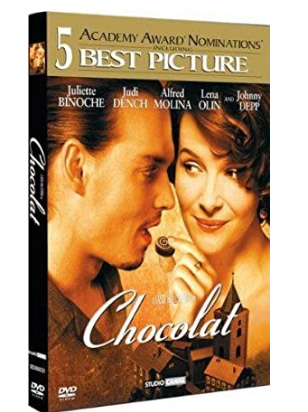
Chocolat
Synopsis
Set in a repressed, deeply traditional French provincial village in 1959 during Lent, a mysterious free-spirited single mother named Vianne Rocher and her young daughter arrive in town and open an exotic, decadent artisanal chocolate shop directly across from the local church. As Vianne crafts delectable confections tailored to each villager's secret desires, her warm magical empathy slowly awakens the repressed passions of the townsfolk. However, the ultra-conservative village mayor leads a moral crusade against the chocolate shop, viewing it as a sinful threat to public piety. Sweet indulgence clashes with religious dogma.
The Making of the Film
Director Lasse Hallström adapted Joanne Harris's bestselling magical realist novel into a visually sumptuous, mouth-watering romantic drama. Producers invested heavily in picturesque French village location shooting in Flavigny-sur-Ozerain to emulate mid-century provincial life. Juliette Binoche and Johnny Depp were cast as the romantic leads, bringing exquisite charm and chemistry. The production featured professional chocolatiers on set crafting authentic artisanal confections. Miramax backed the prestige project.
Critical Reception
Critics offered generally favorable reviews, praising the film's delectable visual aesthetics, charming fairy-tale atmosphere, and Juliette Binoche's radiant lead performance. Reviewers noted that the film functioned as a delightful sensory fable celebrating tolerance and indulgence over religious repression. Audiences worldwide made it a major commercial box-office success. It earned five Academy Award nominations, including Best Picture and Best Actress for Binoche. It stands as a beloved modern classic.
Behind-the-Scenes Stories
Lasse Hallström drew visual inspiration from French pastoral art and magical realism literature. Juliette Binoche spent weeks training with professional master chocolatiers in Paris to learn the delicate art of tempering chocolate. During filming in Burgundy, the entire village set was perpetually infused with the rich, warm aroma of real melting chocolate. Johnny Depp performed his own acoustic guitar serenades on screen.
Themes Explored
The narrative explores religious hypocrisy versus sensual indulgence, tolerance, female independence, and community healing through food. It examines how simple pleasures can melt away prejudice. Furthermore, it highlights nomadism.
Ending Explained
The townspeople embrace Vianne's joyful chocolate shop and reject the mayor's puritanical laws, choosing love and community harmony as Vianne decides to finally plant permanent roots. A warm, sweet fairy-tale conclusion closes the film.
Meaning of the Title
The French word 'Chocolat' serves as the title, symbolizing temptation, sensory awakening, and the magical unifying power of sweets.
Rachel Portman composed a whimsical, mouth-watering, Oscar-nominated orchestral score infused with accordion and French café motifs that earned widespread critical acclaim.
Other sensory and culinary romantic dramas such as Babette's Feast, Like Water for Chocolate, and Julie & Julia.