

 Français
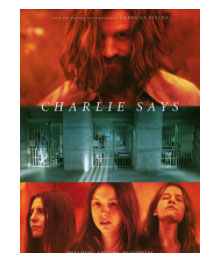
Charlie Says
Synopsis
Charlie Says follows three young women—Susan Atkins, Patricia Krenwinkel, and Leslie Van Houten—who were imprisoned and sentenced to death for their participation in the horrific 1969 Manson Family murders. Years later, inside a grim California correctional facility, a compassionate graduate student named Karlene Faith is assigned to counsel the brainwashed women, who still fiercely believe in Charles Manson's apocalyptic cult ideology. Through intense therapy sessions and flashbacks, the film explores how ordinary young girls were manipulated into committing unspeakable acts.
The Making of the Film
Directed by Mary Harron and written by Guinevere Turner, the film was adapted from Ed Sanders's non-fiction book The Family and Karlene Faith's memoir The Long Prison Journey of Leslie Van Houten. The inspiration stemmed from wanting to examine the Manson murders specifically through a feminist psychological lens, focusing on female cult indoctrination rather than glorifying Manson himself. The production utilized stark prison sets and evocative 1960s flashback imagery.
Critical Reception
Critics offered generally positive reviews, praising Mary Harron's sensitive, non-sensationalist direction, Matt Smith's chilling portrayal of Charles Manson, and the strong ensemble performances of the imprisoned women. Reviewers highlighted the film's feminist deconstruction of cult brainwashing as a fresh angle on a well-worn true-crime story. The thoughtful tone received praise.
Audiences interested in psychological dramas and true-crime history appreciated the movie's deep dive into cult manipulation.
The film earned recognition across independent film festival circuits for its bold direction and screenplay.
Behind-the-Scenes Stories
Mary Harron and Guinevere Turner drew heavy inspiration from historical transcripts, Karlene Faith's personal counseling notes, and feminist sociological studies of cults.
Shooting prison interaction scenes required intense emotional vulnerability from the actresses portraying the brainwashed killers.
During production, Matt Smith captured Manson's charismatic yet terrifying magnetism through dedicated vocal training.
Casting Merritt Wever as counselor Karlene Faith brought immediate empathy and moral grounding to the dark drama.
Themes Explored
The film explores cult indoctrination, female manipulation, the Manson Family murders, psychological deprogramming, trauma, and systemic vulnerability.
Ending Explained
The poignant conclusion shows the women slowly waking up from their cult brainwashing, expressing profound remorse for their crimes as they accept their lifelong prison sentences.
Meaning of the Title
Reference to the absolute, unquestioned obedience the women gave to cult leader Charles Manson (Charlie Says).
Similar films include The Family, Helter Skelter, Martha Marcy May Marlene, and The Following.