

 Français
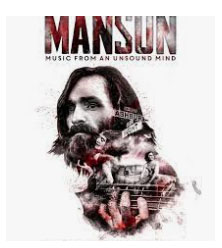
Charles Manson: Hollywood Demon
Synopsis
Charles Manson: Hollywood Demon explores the dark, twisted legacy of cult leader Charles Manson and the horrific 1969 Tate-LaBianca murders that traumatized Los Angeles and forever shattered the idealistic peace of the 1960s counterculture. Through archival footage, interviews with law enforcement, and historical analysis, the documentary delves into Manson's manipulative grip over his impressionable followers known as the Manson Family. The film examines the psychological mechanics behind the cult's descent into bloodshed and its lasting impact on American cultural history.
The Making of the Film
Conceived as a comprehensive true-crime documentary retrospective, the project was developed to examine the enduring cultural obsession with the Manson Family murders over fifty years after the tragic events. The filmmakers combed through extensive archival audio recordings, police interrogation files, and television broadcasts from the era. The production aimed to separate historical fact from tabloid sensationalism by focusing on the socio-political climate of late-1960s Los Angeles and the psychological vulnerability of cult members.
Critical Reception
Critics offered generally favorable reviews, praising the documentary's meticulous archival research, chilling audio recordings, and balanced historical perspective. Reviewers noted that while the subject matter has been covered extensively in books and films, this documentary provided fresh analytical depth into the social conditions that allowed Manson to manipulate his followers. The pacing and tone received favorable mentions.
Audiences interested in true-crime mysteries and 1960s cultural history appreciated the documentary's thorough examination of a dark chapter in American history. Viewers found the archival audio clips particularly unsettling.
The film earned recognition across streaming platforms for its informative true-crime investigation and thorough historical overview.
Behind-the-Scenes Stories
The documentary team drew inspiration from Vincent Bugliosi's definitive true-crime book Helter Skelter and historical archives documenting the 1960s Los Angeles counterculture.
Sourcing rare, unreleased audio interviews and police tapes from the 1969 investigation required extensive coordination with archival custodians and legal entities.
During the editing process, the filmmakers carefully chose to omit overly graphic crime-scene photographs, focusing instead on psychological manipulation and historical context.
Casting relied on expert criminologists, veteran investigative journalists, and surviving contemporaries of the era to provide credible first-hand analysis.
Themes Explored
The film explores cult manipulation, the dark side of the 1960s counterculture, criminal psychology, media sensationalism, and historical trauma.
Ending Explained
The documentary concludes with a sobering reflection on Manson's death in prison, emphasizing that while the cult leader is gone, the cultural shockwaves of his crimes continue to haunt American pop culture.
Meaning of the Title
Reference to Charles Manson and his insidious psychological influence over Hollywood's cultural landscape during the late 1960s.
Similar films and series include Helter Skelter, Mindhunter, The Family, and Wild Wild Country.