

 Français
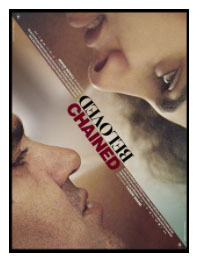
Chained
Synopsis
Note: Alternative English title for Yaron Shani's acclaimed drama / Also known as Beloved. Set in a tense urban neighborhood in Tel Aviv, a rigid and conservative police officer named Rashi finds his strict moral authority tested when his relationships with his wife and teenage daughter begin to fracture. As domestic tensions rise, misunderstandings and possessive control escalate into psychological crisis and violence within the household. Blurring the lines between fiction and documentary, the film captures raw human conflict with unflinching realism. Ultimately, this powerful Israeli drama explores toxic masculinity, family control, and domestic trauma.
The Making of the Film
Acclaimed Israeli filmmaker Yaron Shani conceived the film as the second installment of his ambitious Love trilogy, utilizing a groundbreaking hybrid method blending fiction storytelling with documentary techniques. The project was conceived as a raw, immersive psychological drama examining domestic tyranny, patriarchy, and family breakdown. Shani drew inspiration from sociological studies on domestic abuse and unscripted behavioral realism. The production prioritized non-professional actors, improvised dialogue, and hidden camera aesthetics to achieve absolute documentary-style truth.
Critical Reception
Critics offered widespread critical acclaim upon release, praising its harrowing emotional intensity, groundbreaking methodology, and fearless exploration of toxic control. Reviewers lauded Yaron Shani for crafting a deeply disturbing yet gripping portrait of a family disintegrating under the weight of patriarchal authority. The central performances—achieved largely through unscripted improvisation by non-professional actors—received universal acclaim for their terrifying realism. It established itself instantly as a towering triumph of innovative independent cinema.
Audiences were completely riveted and emotionally devastated by the intense psychological drama, praising its unflinching honesty and gripping tension. Viewers at international film festivals commended the brave storytelling and the terrifying accuracy with which domestic abuse was depicted on screen. It became a critical darling worldwide, resonating strongly with cinephiles seeking uncompromising psychological realism. Many praised its ability to generate unbearable suspense without traditional Hollywood tropes.
Chained earned prestigious acclaim across international film festivals and won multiple Ophir Awards (the Israeli Academy Awards), including Best Film and Best Director for Yaron Shani. Its acclaim centered primarily on Shani's visionary direction and the astonishing, naturalistic performances of the cast. The film received high praise from human rights organizations for its sensitive handling of domestic trauma. These prestigious accolades cemented its legacy as a landmark achievement in modern Israeli cinema.
Behind-the-Scenes Stories
Yaron Shani was heavily inspired by his desire to capture the authentic, hidden psychological mechanisms of domestic control and abuse without the artificial constraints of traditional screenplays. He spent years casting non-professional actors whose real-life personalities mirrored the complex dynamics of the characters they would portray. The visual style utilized handheld documentary camera work, natural urban Tel Aviv lighting, and extended unedited takes. The director also worked without a written script, allowing actors to improvise their emotional reactions organically in real-time.
Producing a feature film entirely through unscripted improvisation and documentary methods required immense patience and psychological endurance from both the director and the cast. Shooting took place across real apartments and streets in Tel Aviv over an extended production schedule. Lead actor Eran Naim immersed himself deeply in the psychology of a controlling police officer, delivering a terrifyingly convincing performance. Despite the emotionally draining nature of the unscripted shoots, the technical crew maintained absolute professional focus.
During the filming of the explosive domestic confrontation sequences, the actors brought genuine, unscripted emotional fury and terror to their roles that shocked the crew. Director Yaron Shani allowed arguments to unfold naturally, capturing real psychological distress on camera. Crew members reported feeling profoundly unsettled behind the monitors during the heaviest marital dispute scenes. The profound dedication of the cast gave the drama its unforgettable, terrifying realism.
Casting directors searched for an exhaustive search for non-professional actors who possessed the emotional depth and psychological complexity required for unscripted filmmaking. Eran Naim was secured for the lead role of the police officer, delivering a masterpiece of naturalistic acting. Stela Centrall and Stav Altaras rounded out the core family ensemble with breathtaking authenticity.
Themes Explored
The film heavily explores domestic tyranny, toxic masculinity, and the psychological mechanisms of patriarchal control within a family. It examines how rigid authority figures inadvertently destroy the very people they wish to protect. Another core motif is the blurred boundary between love and possession. It also touches upon police mentality, trauma, and communication breakdown.
Ending Explained
The film concludes with the family completely shattered as the police officer's controlling behavior results in irreversible legal and emotional devastation, leading to his isolation and disgrace. Stripped of his uniform and family, he is forced to confront the wreckage of his own authoritarian worldview in a sobering final realization. The final haunting shots show the surviving family members attempting to piece their lives back together in quiet trauma. This sobering finish refuses easy redemption, emphasizing the lasting scars of domestic abuse.
Meaning of the Title
The title refers literally and metaphorically to the psychological shackles of obsessive control, toxic masculinity, and emotional bondage that trap every member of the family. It highlights the central thematic focus on being chained to destructive behavioral patterns. The single-word phrasing sets a haunting, provocative tone for the drama. It encapsulates the suffocating grip of domestic tyranny explored in the film.
Similar films include A Separation, Custody, 4 Months, 3 Weeks and 2 Days, and Dogtooth, which feature harrowing domestic drama, psychological control, and unscripted realism.