

 Français
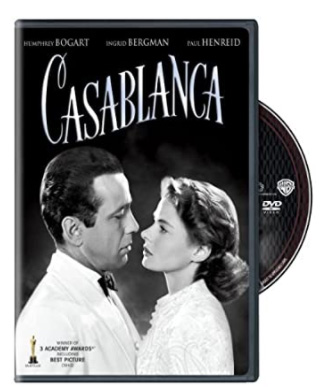
Casablanca
Synopsis
Set in unoccupied French Morocco during the early days of World War II, cynical American expatriate Rick Blaine runs a popular upscale nightclub in Casablanca. His neutral existence is upended when his former lover, Ilsa Lund, walks through his doors accompanied by her husband, Victor Laszlo, a renowned Czechoslovakian resistance leader. Desperate to escape the watchful eye of local Nazi authorities, Ilsa and Victor need exit visas that only Rick can provide. Amid stifling political tension, old romantic flames reignite, forcing Rick to choose between personal happiness and the greater cause of freedom.
The Making of the Film
Based on an unproduced stage play titled Everybody Comes to Rick's by Murray Burnett and Joan Alison, the property was quickly acquired by Warner Bros. due to its timely wartime themes. The studio assembled a legendary team of writers, including Julius J. and Philip G. Epstein and Howard Koch, who brilliantly shaped the screenplay on a day-to-day basis during filming without a finished script in hand. Director Michael Curtiz expertly steered the production, infusing the romantic melodrama with sharp political suspense and atmospheric noir lighting.
Critical Reception and Reviews
Casablanca was an immediate box-office success upon its release and went on to win three Academy Awards, including Best Picture, Best Director, and Best Adapted Screenplay. Over the decades, its reputation has only grown, with film historians and critics frequently ranking it among the greatest movies ever made in cinema history. Reviewers have long celebrated its flawless dialogue, iconic performances by Humphrey Bogart and Ingrid Bergman, and its unmatched romantic resonance. It remains a definitive cultural touchstone of Hollywood's Golden Age.
Behind the Scenes Anecdotes
Ingrid Bergman famously did not know which man her character would end up with until the very last days of filming, as the screenwriters continually debated the conclusion. Humphrey Bogart and Bergman spent their downtime between takes playing chess on the soundstage, establishing a natural, relaxed rapport that translated into undeniable onscreen chemistry. The iconic line 'Play it again, Sam' is actually a widespread misquotation; the actual line spoken in the film is 'Play it, Sam. Play 'As Time Goes By'.' Production faced immense pressure due to wartime censorship codes and rapidly changing geopolitical events during filming.
Major Themes Explored
The film explores the painful sacrifice of personal romantic desire for a higher moral and political duty in a time of global crisis. It highlights the transformation of political cynicism into active anti-fascist resistance. Additionally, it examines themes of honor, patriotism, unrequited love, and the haunting nature of past memories.
Explanation of the Ending
In the emotional climax at the airport runway, Rick sacrifices his chance to rekindle his romance with Ilsa, convincing her to board the plane to Lisbon with Victor Laszlo to continue the fight against the Nazis. Rick shoots the corrupt German Major Strasser to protect Victor and Ilsa's escape, proving his ultimate moral redemption. In the final iconic shot, Rick and Captain Louis Renault walk off into the foggy night, forging a new friendship and joining the Free French forces.
Significance of the Title
setTitle: The English title Casablanca refers directly to the Moroccan port city that serves as a neutral refuge and a crossroads for refugees, spies, and criminals fleeing war-torn Europe. The name translates literally to 'white house' in Spanish, offering a stark ironic contrast to the shadowy intrigue and moral ambiguity of the city's underworld. It establishes a distinct geographical and psychological pressure cooker for the narrative.
Max Steiner's legendary musical score weaves the haunting leitmotif of 'As Time Goes By' throughout the film, anchoring the emotional resonance of Rick and Ilsa's doomed romance with unforgettable elegance.
To Have and Have Not, The Third Man, Notorious, Roman Holiday