

 Français
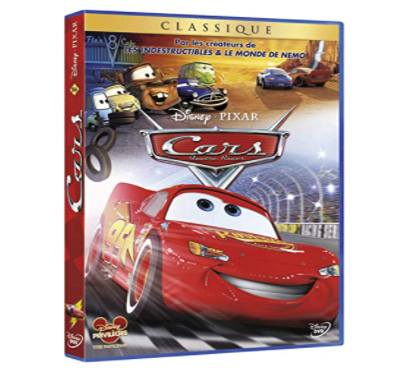
Cars
Synopsis
An ambitious, hot-headed rookie race car named Lightning McQueen accidentally gets stranded in a sleepy, forgotten town called Radiator Springs along Route 66 on his way to a championship tie-breaker race. Forced to perform community service after damaging the local road, he forms deep bonds with the quirky eccentric town vehicles, including a wise old vintage Hudson Hornet. Through his time in the slow-paced desert town, he learns that life is about the journey and friendships rather than just winning trophies. This heartwarming animated masterpiece celebrates small-town charm and classic Americana.
The Making of the Film
The genesis of Cars came from director John Lasseter's personal cross-country road trip with his family along historic Route 66 in 2000, where he realized the devastating impact of the interstate highway system on small roadside towns. Pixar Animation Studios wanted to craft a love letter to vintage Americana and the lost art of slowing down to appreciate life's simple pleasures. The creative team spent years researching classic automotive history and vintage car designs to give every vehicle a distinct personality. The project was designed as a deeply personal passion project for Lasseter, combining cutting-edge computer animation with nostalgic storytelling.
Critical Reception
Professional critics gave generally positive reviews to Cars, praising its breathtaking desert landscapes, charming character animations, and comforting nostalgic atmosphere. Reviewers noted that while its pacing was more leisurely than previous Pixar hits, its heartfelt message and gorgeous visual style made it a timeless family classic. The public response was astronomical, driving massive box office ticket sales and sparking one of the most successful merchandise empires in cinematic history. Audiences fell in love with the vibrant world of Radiator Springs and its lovable inhabitants. The film received two Academy Award nominations, including Best Animated Feature, cementing Pixar's golden era.
Filming Anecdotes
Director John Lasseter drew heavy inspiration from historical Route 66 landmarks, real-life roadside eccentricities, and classic automotive documentaries to design the fictional town of Radiator Springs. Production required Pixar animators to travel thousands of miles along historic highways, sketching abandoned motels, neon signs, and majestic canyons. During the voice recording sessions, legendary actor Paul Newman brought profound gravitas and authenticity to his role as Doc Hudson, drawing on his own real-life passion for auto racing. Before the final title was chosen, the film was known during early development under the working title "Route 66.",
Main Themes
The film explores deep themes of community, humility, friendship, slowing down in a fast-paced world, and preserving historical heritage. It highlights how selfish ambition can blind individuals to the warmth of genuine human—and vehicular—connection. Furthermore, it celebrates the beauty of overlooked places and people.
Ending Explanation
The climax resolves the sports rivalry when Lightning McQueen arrives at the championship race in California but deliberately stops just short of the finish line to help a crashed veteran competitor, sacrificing his own win for sportsmanship. Returning to Radiator Springs to establish his racing headquarters, he brings tourism and renewed life back to the forgotten desert town alongside his newfound friends. He finds true fulfillment not in the Piston Cup trophy itself, but in the love and loyalty of his community. The film ends on a joyful, celebratory note of racing and hometown pride.
Title Significance
The title is a simple, bold declaration of the entire premise: a world entirely populated by living, breathing automobiles.
The film features a phenomenal, critically acclaimed musical soundtrack blending classic rock, country, and blues, featuring iconic tracks like Sheryl Crow's "Real Gone" and the soulful ballad "Our Town" by James Taylor.
NULL
Doc Hollywood, Toy Story, Planes, Ratatouille