

 Français
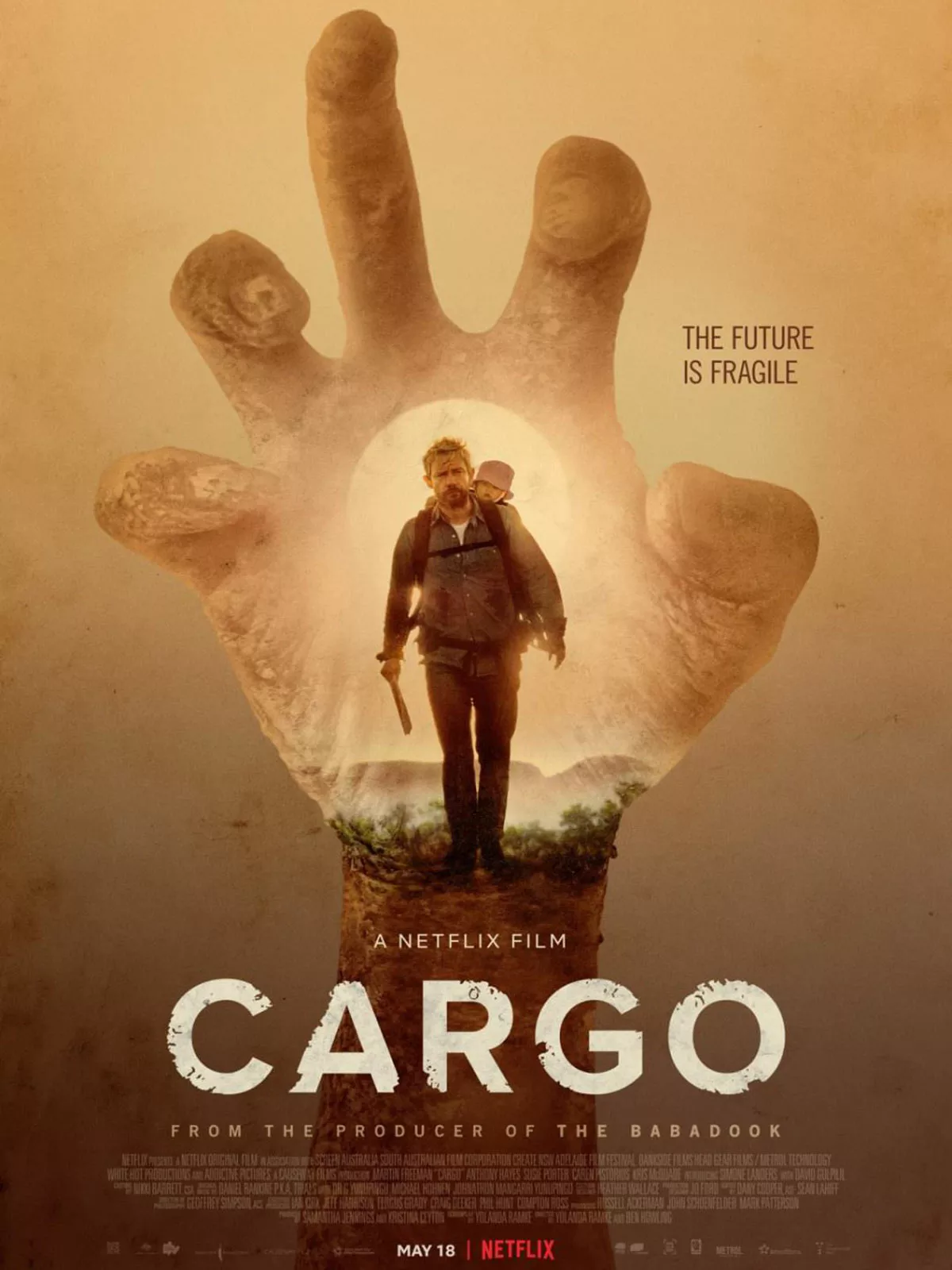
Cargo
Synopsis
In a desolate Australian outback landscape overrun by a violent viral pandemic, an infected father named Andy has only 48 hours to find a safe home for his infant daughter, Rosie. Carrying the baby strapped to his chest in a makeshift carrier, Andy navigates hostile wilderness, desperate survivors, and his own impending transformation into a flesh-eating monster. As his body slowly shuts down, he crosses paths with an indigenous teenage girl named Thandie who holds the key to protecting the child. Driven by unconditional love, Andy races against the literal ticking clock of his infection to secure the baby's future before losing his humanity forever.
The Making of the Film
Directors Ben Howling and Yolanda Ramke expanded their critically acclaimed 2013 short film of the same name into a feature-length post-apocalyptic drama. The filmmakers wanted to reinvent the traditional zombie genre by focusing on emotional paternal love and Australian Indigenous cultural themes rather than mindless action gore. Martin Freeman signed on as lead actor and executive producer after falling in love with the short film's poignant premise. The production utilized authentic Australian outback locations to create a striking, sun-drenched wasteland aesthetic.
Critical Reception
Professional reviews were largely positive, with critics praising the film's unique emotional depth, atmospheric tension, and Martin Freeman's stellar lead performance. Reviewers commended the directors for subverting standard zombie tropes by infusing the narrative with cultural respect and heartfelt paternal drama. It received strong critical acclaim during its international festival and streaming release on Netflix.
Public reception was warmly enthusiastic among horror and post-apocalyptic fans who appreciated the slow-burn emotional stakes over cheap jump scares. Viewers found the outback setting refreshing and the father-daughter bond deeply moving. Word-of-mouth helped cement its reputation as a standout modern indie zombie film.
Awards recognition included regional Australian film nominations for its screenplay, direction, and lead performances, celebrating its fresh take on genre conventions.
Shooting anecdotes
Director duo Ben Howling and Yolanda Ramke drew inspiration from classic survival dramas and Australian outback landscape traditions.
Production encountered physical challenges filming under scorching desert sun conditions in remote South Australian regions.
During emotional infant-carrying scenes, Martin Freeman formed a natural protective bond with the baby actors on set.
Initial casting brought in Martin Freeman, who brought immediate international visibility to the indie Australian production.
Themes explored
The film explores paternal sacrifice, pandemic survival, Indigenous Australian culture, colonization legacy, and unconditional love. It examines how humanity endures in a dying world. It also highlights protection.
Explanation of the ending
The emotional climax resolves with Andy fully transforming into a zombie, but tethered safely to a pole with raw meat just out of reach so he can harmlessly guide baby Rosie to safety before Thandie adopts her. It closes on a bittersweet note of hope and sacrifice.
Meaning of the title
The title refers literally to the infant baby Rosie whom the infected father carries across the wasteland, serving as precious cargo to be saved at all costs.
The Road, Train to Busan, 28 Days Later, Cargo (Short)