

 Français
Capernaum
Synopsis
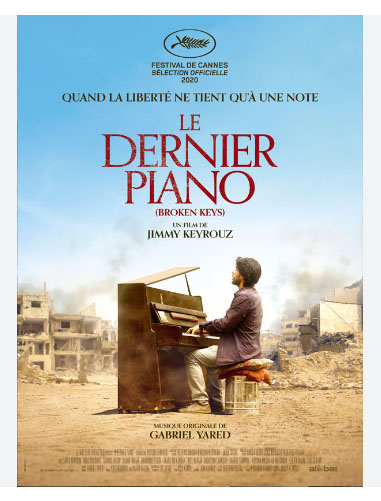
Trapped in the war-torn ruins of Beirut, a young piano prodigy named Karim refuses to let the chaos of civil conflict extinguish his passion for music. When militants and economic hardship threaten to destroy his prized instrument and displace his family, Karim embarks on a dangerous mission to salvage his family's piano. Navigating sniper fire, crumbling architecture, and desperate checkpoints, he seeks a safe haven where art can survive. Along the way, he encounters fellow survivors whose resilience mirrors the defiant notes of his melodies.
The Making of the Film
Directed by Jimmy Keyrouz, this powerful drama was inspired by true stories of artists risking their lives to protect cultural heritage and instruments during Middle Eastern conflicts. Keyrouz wanted to create a visceral cinematic tribute to the enduring power of art in the face of absolute destruction. The script was developed over several years, incorporating real testimonies from musicians who lived through urban sieges. The production utilized authentic locations in Lebanon to capture the gritty, war-torn reality of urban warfare. Producers collaborated closely with local cultural preservation groups.
Critical Reception
Critics lauded the film for its emotional intensity, gripping suspense, and stunning incorporation of classical piano music into a war thriller framework. Reviewers highlighted the breakout lead performance for conveying immense courage and vulnerability amidst harrowing circumstances. The authentic depiction of urban decay and artistic defiance earned widespread international acclaim. Commentators praised its powerful message on cultural preservation.
Audiences were deeply moved by the high-stakes narrative and the poignant reminder of how culture survives even when physical infrastructure crumbles. Viewers noted that the musical interludes provided moments of breathtaking emotional release amid relentless tension. The film received standing ovations at several prestigious international film festivals. Fan ratings highlighted its harrowing emotional impact.
It earned numerous awards and nominations across global film circuits, particularly recognized for its original musical score and sound mixing excellence. Critics' circles praised its ability to turn a localized struggle into a universal testament to human resilience. The picture cemented Jimmy Keyrouz as a major directing talent to watch on the international stage. Industry bodies celebrated its technical and emotional mastery.
Behind-the-Scenes Stories
Director Jimmy Keyrouz was inspired to write the story after reading news reports about musicians in war-torn regions sneaking into bombed-out conservatories to rescue instruments. He spent years interviewing refugees and artists to ensure the emotional and physical details of the siege felt entirely authentic. The director worked closely with classical composers to weave complex piano pieces directly into the narrative tension of the script. Historical accounts of urban sieges heavily influenced set layouts.
Production faced severe logistical and safety challenges filming action sequences in volatile urban environments requiring tight coordination with local authorities. The crew had to construct specialized breakaway props, including damaged pianos that could withstand stunt work without losing their visual integrity. Sound design engineers spent months layering real acoustic recordings over chaotic combat noise to achieve a striking auditory contrast. Safety protocols were rigorously enforced across dangerous street sets.
During the filming of a crucial basement shelter sequence, a sudden citywide power outage plunged the set into total darkness for hours, leading to an impromptu acoustic jam session by the cast. This magical moment inspired the director to add an extra scene celebrating community resilience through song. The costume department weathered and distressed every garment to reflect months of dust and debris exposure. Makeup artists maintained strict continuity on dust levels.
Casting the lead role of Karim required finding a young actor who could act with intensity and actually play the complex piano pieces required by the script. After an exhaustive nationwide talent search, the producers found a talented young musician who delivered a transcendent performance. The supporting cast was filled with local non-professional actors whose lived experiences added immense emotional depth. Rehearsals focused heavily on musical precision and emotional authenticity.
Themes Explored
The survival of art and culture during times of war forms the central thematic heartbeat of the narrative. Human resilience and the refusal to let tyranny extinguish hope are demonstrated through the protagonist's dedication to his music. Community solidarity among refugees highlights how shared suffering can forge unbreakable bonds. Additionally, the sacrifices required to protect what is sacred underscore the true cost of conflict. The story celebrates the soul-saving power of creative expression.
Ending Explained
Karim successfully transports his instrument across enemy lines to a liberated zone where he performs a triumphant public concert, symbolizing the victory of culture over barbarism. While the physical scars of the war remain visible across the city, the music brings healing and unity to the surviving community. His personal sacrifice secures a safe artistic future for younger children in the camp. The emotional finale affirms that while buildings can be reduced to rubble, the human spirit and artistic expression endure.
Meaning of the Title
References the metaphorical chaos and turmoil of a broken society where beauty and art struggle to survive against impossible odds.
Original Soundtrack
A breathtaking musical score composed by Elia Cmiral, blending haunting solo piano compositions with tense orchestral arrangements to mirror the chaos of war.
Similar Films
The Pianist, Belfast, The Taqwacores, Son of Saul, Land of Mine.