

 Français
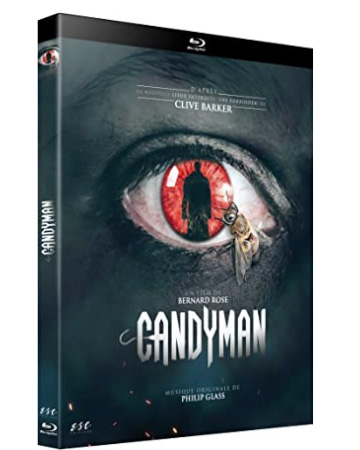
Candyman
Synopsis
Decades after the gentrification of Chicago's Cabrini-Green housing projects, visual artist Anthony McCoy moves into a luxury loft in the same neighborhood. While struggling for artistic inspiration, he hears the urban legend of Candyman—a hook-handed supernatural killer summoned by repeating his name five times in a mirror. As Anthony becomes obsessed with the myth for his latest gallery exhibition, a wave of horrific murders begins to surround him. The chilling psychological slasher film serves as a sharp social commentary on trauma, race, and urban folklore.
The Making of the Film
Director Nia DaCosta co-wrote and directed the film alongside Jordan Peele and Win Rosenfeld, serving as a direct spiritual sequel to the 1992 horror classic. The inspiration stemmed from a desire to update Clive Barker's original mythology by exploring systemic racism, gentrification, and generational trauma in modern Chicago. The creators wanted to reframe the Candyman legend not just as a supernatural bogeyman, but as a tragic vessel for historic racial violence and societal suffering. The production worked closely with local Chicago communities to ensure authentic cultural context.
Critical Reception
Professional critics widely acclaimed the film for its stylish cinematography, sharp social commentary, chilling atmosphere, and Yahya Abdul-Mateen II's powerhouse lead performance. Reviewers praised how the movie blended traditional slasher scares with sophisticated allegorical themes about art, trauma, and community erasure. Critics noted that DaCosta's direction brought a fresh, elevated horror sensibility to the franchise while honoring the original film's legacy. Public reception was very positive, making it a box-office success during its theatrical window and sparking widespread cultural discussions. The film received numerous accolades from horror film critics' associations and independent cinema bodies.
Behind-the-Scenes Stories
Director Nia DaCosta drew heavy inspiration from gothic horror traditions, urban folklore, and visual art installations to craft the film's distinct aesthetic. Production took place on location in Chicago, utilizing shadow play, striking reflections, and brilliant framing to build mounting dread. During the filming of the unsettling gallery scenes, the art props were custom-designed by contemporary artists to reflect genuine socio-political critiques. Jordan Peele handpicked DaCosta to direct after being impressed by her indie feature debut.
Themes Explored
The film explores racial trauma, gentrification, urban legends, the cyclical nature of violence, and the power of storytelling to preserve history.
The terrifying conclusion reveals that Anthony has been transformed into the new manifestation of Candyman, perpetuating the tragic cycle of vengeance and folklore for future generations.
The title refers to the titular urban legend entity whose terrifying moniker summons a supernatural force born out of historical injustice.
The film sparked extensive academic and cultural essays regarding modern horror cinema and social allegory upon its release.
Us, Get Out, The Babadook