

 Français
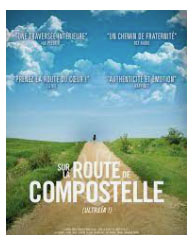
Camino Skies
Synopsis
Set along the legendary 800-kilometer Camino de Santiago pilgrimage trail across the rugged landscapes of Northern Spain, six ordinary people ranging in age from sixties to eighties embark on an epic physical and emotional journey. Driven by profound personal losses, recent cancer diagnoses, and the desire for spiritual reinvention, these aging pilgrims push their aching bodies across mountain passes and dusty plains. Along the way, they share deep vulnerabilities, laughter, and healing camaraderie with fellow travelers. Ultimately, this inspiring documentary explores grief, resilience, and the enduring human spirit.
The Making of the Film
Directors and co-producers Fergus Grady and Noel Smyth embarked on the historic pilgrimage trail themselves to capture the raw, emotional journeys of ordinary older travelers tackling the Camino de Santiago. The project was conceived as an inspiring documentary exploring grief, aging, physical endurance, and emotional healing. Grady and Smyth drew inspiration from personal encounters with pilgrims, outdoor adventure memoirs, and the spiritual history of the ancient route. The production prioritized breathtaking drone cinematography, intimate personal interviews, and authentic on-trail perseverance.
Critical Reception
Critics offered generally favorable reviews upon festival release, praising its emotional resonance, breathtaking cinematography, and uplifting tribute to the human spirit. Reviewers noted that the documentary successfully avoided cheesy motivational clichés, offering instead an honest, deeply moving look at how people confront grief and aging head-on. Some film critics, however, felt that its episodic narrative structure occasionally lingered too long on repetitive walking sequences. Despite minor pacing critiques, documentary enthusiasts embraced its inspiring human core.
Audiences were deeply moved by the emotional documentary, praising its gorgeous Spanish scenery, relatable tales of loss and healing, and the inspiring determination of elderly pilgrims. Viewers on streaming platforms commended the raw vulnerability displayed by the featured travelers as they conquered steep mountain trails. It found a welcoming audience among hiking enthusiasts, spiritual seekers, and fans of uplifting human-interest stories. Many praised its reminder that it is never too late to reinvent oneself.
Although major mainstream cinematic awards bypassed the documentary release, it earned recognition at international film festivals and outdoor adventure showcases. Its acclaim centered primarily on Fergus Grady and Noel Smyth's compassionate direction and stunning trail cinematography. The film's gentle musical score was also celebrated by reviewers. These festival milestones helped cement its reputation as a touching, inspiring travel documentary.
Behind-the-Scenes Stories
Fergus Grady and Noel Smyth were heavily inspired by their own transformative experiences walking the Camino de Santiago, wanting to highlight the stories of older pilgrims who tackle the grueling trek against steep physical odds. They wanted to capture the quiet moments of camaraderie, blisters, and emotional breakthroughs that happen organically along the trail. The visual style utilized stunning sweeping drone shots of Spanish mountains, intimate trailside conversations, and warm golden-hour lighting. The directors also walked alongside the subjects with lightweight camera gear to maintain absolute documentary intimacy.
Filming along the 800-kilometer pilgrimage route presented extreme physical endurance, unpredictable weather, and logistical challenges for the small two-person documentary crew. The elderly subjects braved torrential rain, blistering heat, and painful joint injuries to complete their historic journeys. The directors maintained deep personal bonds with the travelers, earning their trust during moments of intense grief and vulnerability. Despite the exhausting physical demands of backpacking across Spain, the crew successfully delivered a polished visual masterpiece.
During the filming of the emotional arrival sequences at the Cathedral of Santiago de Compostela, the subjects brought authentic, tearful joy to their final milestones. Crew members reported feeling profoundly moved behind the monitors while capturing pilgrims embracing after weeks of hardship. The profound dedication of the documentary team gave the film its inspiring soul.
Casting directors and producers focused on spontaneous on-trail casting, befriending diverse travelers from around the world to find subjects willing to share their deeply personal stories. The featured older pilgrims brought incredible wisdom, humor, and emotional openness to the project. Their authentic companionship formed the emotional backbone of the documentary.
Themes Explored
The film heavily explores grief, loss, aging, and physical endurance along the ancient Camino de Santiago pilgrimage trail. It examines spiritual reinvention, mental health, and the healing power of shared human connection. Another core motif is nature as a sanctuary for emotional processing. It also touches upon travel, friendship, and resilience.
Ending Explained
The film concludes with the weary yet triumphant pilgrims finally reaching the plaza of the Cathedral of Santiago de Compostela, sharing tearful embraces and reflecting on how the grueling 800-kilometer journey has fundamentally transformed their hearts and minds. Standing before the ancient shrine, they realize that the physical finish line is only the beginning of a renewed chapter in their lives. The final inspiring shots show them walking off toward their individual futures with peace and strength. This uplifting finish offers a poignant, beautiful resolution to the theme of emotional healing.
Meaning of the Title
The title refers literally and metaphorically to the open skies above the Camino de Santiago pilgrimage trail where travelers find spiritual clarity, emotional release, and solace. It highlights the expansive, freeing nature of the epic trek. The poetic phrasing sets an inspiring, uplifting tone for the travel documentary. It encapsulates the transcendent journey experienced by the pilgrims.
Similar films include The Way, Walking the Camino: Six Ways to Santiago, I'll Push You, and Hector and the Search for Happiness, which feature pilgrimage trails, emotional healing, and inspiring travel journeys.