

 Français
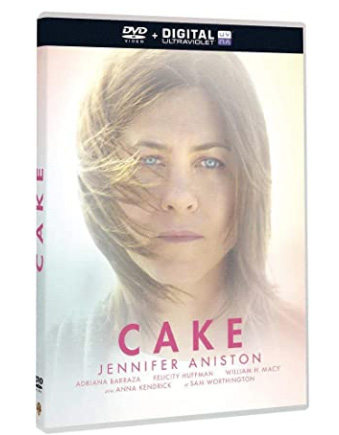
Cake
Synopsis
Claire Bennett is a cynical, sharp-tongued woman suffering from chronic physical pain and severe emotional trauma following a tragic car accident that killed her young son. Isolated from her support group and estranged from her husband, she spends her days hooked on prescription painkillers and pushing away anyone who tries to help her. Her solitary existence is disrupted when Nina, a fellow support group member who died by suicide, begins appearing to her as a haunting apparition. As Claire investigates the circumstances surrounding Nina's death, she forms an unexpected bond with Nina's grieving widower. This painful journey forces Claire to confront her own grief and find a fragile path toward healing.
The Making of the Film
Director Daniel Barnz and screenwriter Patrick Tobin developed the indie drama with a specific focus on chronic pain, grief, and unvarnished human brokenness. The filmmakers wanted to craft a character study that avoids Hollywood sentimentality, presenting a protagonist who is profoundly unlikable and struggling with trauma. Jennifer Aniston actively sought out the challenging indie project to showcase her dramatic range away from romantic comedies. The production prioritized raw realism and intimate performances.
Critical Reception
Professional reviews were mixed, with critics universally praising Jennifer Aniston's brave, unglamorous, and emotionally raw lead performance. However, many reviewers felt that the script relied on melodramatic tropes and struggled to maintain narrative momentum during the second act. While Aniston's dramatic pivot earned widespread acclaim, the overall film received a polarized critical response.
Public reception was appreciative among fans of character-driven indie dramas who admired Aniston's willingness to shed her movie-star persona for a gritty role. Viewers found the exploration of chronic pain and grief deeply moving, though it remained a niche art-house release. Word-of-mouth kept it afloat on streaming networks.
Awards recognition included prestigious Golden Globe and SAG Award nominations for Jennifer Aniston's stellar dramatic performance.
Shooting anecdotes
Director Daniel Barnz drew inspiration from classic independent character studies focusing on trauma and physical rehabilitation.
Production encountered intimate staging challenges filming inside modest residential homes in Los Angeles to maintain a claustrophobic atmosphere of pain.
During painful mobility scenes, Jennifer Aniston worked closely with physical therapists to authentically portray chronic physical discomfort.
Initial casting centered entirely around Jennifer Aniston, who used her production company to help bring the indie script to the screen.
Themes explored
The film explores chronic pain, grief, trauma recovery, suicide, and unexpected human connection. It examines how physical suffering isolates individuals from emotional healing. It also highlights forgiveness.
Explanation of the ending
The poignant climax resolves with Claire visiting a railway bridge where she contemplated ending her life, choosing instead to step back and accept a tentative future of healing alongside Nina's widower. It closes on a quiet, hopeful note of emotional survival.
Meaning of the title
The title refers ironically to a mundane birthday cake baked by a domestic helper, symbolizing the hollow normalcy Claire struggles to re-enter.
Ordinary People, Manchester by the Sea, Rabbit Hole, Nomadland