

 Français
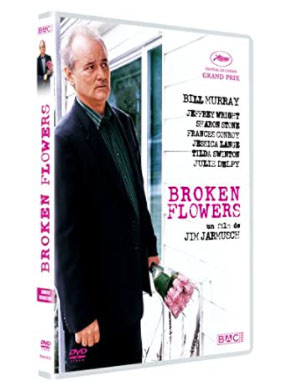
Broken Flowers
Synopsis
This poignant, melancholic comedy-drama masterpiece directed by Jim Jarmusch follows Don Johnston, an aging, wealthy, and habitually apathetic retired computer tycoon who has just been dumped by his latest girlfriend. Shortly after her departure, Don receives an anonymous pink letter written on a typewriter from an ex-lover informing him that he has a nineteen-year-old son who may currently be searching for him. Urged on by his enthusiastic, amateur-detective neighbor Winston, Don embarks on a reluctant cross-country road trip across America to visit four of his former romantic partners from twenty years ago to see which one might be the mother. It is a brilliant, deadpan exploration of regret and aging.
The Making of the Film
The project originated from visionary independent auteur Jim Jarmusch writing the script specifically for longtime friend and iconic actor Bill Murray, tailoring the role of the melancholy, emotionally detached bachelor precisely to Murray's deadpan screen persona. Jarmusch sought to craft a minimalist, European-style road movie exploring mid-life reflection, lost romance, and existential wandering in contemporary American suburbia. Inspiration was drawn from classic detective tropes, minimalist cinema, and indie auteur traditions. The creative team aimed to produce a subtle, artistic masterpiece.
Critical Reception
Critics offered widespread, rapturous acclaim, praising Jim Jarmusch's stylish minimalist direction, Frederick Elmes's gorgeous cinematography, and Bill Murray's career-defining lead performance. Reviewers noted that Jarmusch successfully blended deadpan comedy with profound existential melancholy, creating a hypnotic character study where unspoken moments carry as much weight as dialogue. Murray's subtle, world-weary portrayal of Don Johnston received universal applause as one of his finest dramatic achievements. It was immediately recognized as an independent cinema triumph.
Audience reception was warm among cinephiles and independent film enthusiasts, driving the film to strong arthouse box office success worldwide and winning the prestigious Grand Prix at the 2005 Cannes Film Festival. Viewers on public platforms praised the eclectic soundtrack, funny awkward encounters with ex-lovers, and the ambiguous open ending. Fans of Jim Jarmusch celebrated his trademark deadpan humor. Word-of-mouth sustained strong long-term prestige.
Awards season brought major triumph, securing the Grand Prix at the Cannes Film Festival for Jim Jarmusch, alongside numerous independent critic awards for Bill Murray's lead performance. Critics' associations praised the film for its stylistic brilliance and narrative originality. These accolades cemented its status as a premier masterpiece of modern independent cinema.
Behind-the-Scenes Stories
The director drew visual inspiration from European art-house road movies, minimalist photography, and painterly suburban framing to establish a cool, melancholic aesthetic. Every ex-lover's home—from Sharon Stone's chaotic suburban household to Tilda Swinton's feral biker compound—was carefully styled to reflect a distinct chapter of Don's romantic past. The production team collaborated with independent music supervisors to curate an eclectic, jazz-infused soundtrack. These artistic choices created an authentic art-house world.
Production presented fascinating logistical and technical hurdles, requiring Bill Murray to travel across multiple US states to shoot episodic encounters with a rotating ensemble of acclaimed actresses. Jim Jarmusch encouraged subtle, understated performances, allowing Murray to communicate volumes through mere silence and facial expressions. Furthermore, maintaining strict secrecy around the narrative's ambiguous conclusion demanded obsessive editorial focus from the director.
During the filming of the pivotal final highway confrontation sequence where Don encounters a mysterious young hitchhiker, Bill Murray executed his quiet emotional confusion with total deadpan mastery. To maintain authentic tension, Jarmusch utilized long, unbroken master shots. The crew utilized muted color grading to accentuate the autumnal mood. This rigorous dedication resulted in immortal cinematic moments.
Casting was anchored by securing comedy legend Bill Murray in a rare, melancholic lead role that showcased his profound dramatic depth. Supporting roles were filled with an all-star ensemble of acclaimed actresses playing his former lovers, including Sharon Stone, Frances Conroy, Jessica Lange, Tilda Swinton, and Chloë Sevigny. Jeffrey Wright brought incredible comedic energy to the role of neighbor Winston. This star-studded casting strategy was the absolute heartbeat of the film's success.
Themes Explored
The narrative deeply explores themes of aging, regret, missed romantic opportunities, and the emotional numbness of modern bachelorhood. It examines memory, nostalgia, and confronting the consequences of past relationship choices. Additionally, it highlights fatherhood, existential wandering, and the search for meaning in middle age. Ultimately, the film reflects on time passing, solitude, and the quiet mysteries of human connection.
Ending Explained
Don encounters a young hitchhiker at a diner whom he momentarily suspects might be his son, but after sharing a meal and giving him money, the young man wanders off down the highway, leaving Don sitting alone in a traffic jam where he locks eyes with a mysterious young man staring at him from a passing car, remaining forever uncertain whether he is truly a father. In the haunting final shot, Don smiles faintly into the camera before looking away into the distance. The ambiguous resolution underscores life's unresolved questions.
Meaning of the Title
The title directly references the anonymous pink bouquet of flowers ("Broken Flowers") that arrives at Don's door, symbolizing broken past romances.
Original Soundtrack
The eclectic, hypnotic musical score curated by Terje Rypdal and featuring Ethiopian jazz pioneer Mulatu Astatke received widespread acclaim for establishing the film's moody, atmospheric rhythm.
Similar Films
Films sharing similar melancholic road trip, mid-life crisis, and deadpan indie drama themes include Lost in Translation (2003), Nebraska (2013), and Paterson (2016).