

 Français
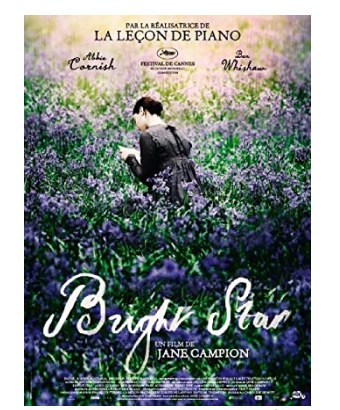
Bright Star
Synopsis
Set in 19th-century England, this biographical romantic drama chronicles the intense, secret love affair between the young poet John Keats and his spirited neighbor Fanny Brawne. Initially, Fanny is unimpressed by Keats poetry and finds him aloof, while Keats views fashion-obsessed Fanny as frivolous. As they spend time together discussing literature and sharing quiet moments, a profound and tender romance blossoms between them. Tragically, their love is plagued by extreme poverty, failing health, and Keats eventual illness, leading to a heartbreaking parting before his untimely death.
The Making of the Film
Director and screenwriter Jane Campion was inspired by the poignant, surviving love letters exchanged between John Keats and Fanny Brawne. Campion wanted to rescue Fanny from historical misrepresentation as a shallow muse and portray her as an intelligent, creative woman. BBC Films and Australian studios financed the exquisite period romance.
Critical Reception
Critics universally acclaimed Bright Star for its exquisite cinematography, restrained emotional depth, and stellar performances by Abbie Cornish and Ben Whishaw. Reviewers praised Jane Campions poetic direction for capturing the sensual and intellectual intimacy of Keats poetry on screen. The film was celebrated as a masterwork of romantic biographical cinema.
Public reception was warm among art-house audiences who appreciated its delicate pacing, beautiful costume design, and heartbreaking emotional sincerity. Viewers were captivated by the quiet, understated tragedy of the romance. It remains a cherished classic of modern period drama.
While the film did not capture major mainstream Academy Awards, it earned critical acclaim at the Cannes Film Festival and multiple international nominations. Ben Whishaw and Abbie Cornish received widespread acting honors. Its visual artistry continues to be celebrated.
Filming Anecdotes
Director Jane Campion drew inspiration from 19th-century romantic poetry, historical letters, and landscape paintings to establish an intimate visual tone. She chose authentic rural English countryside locations to capture the natural beauty that inspired Keats work. Her direction encouraged Abbie Cornish and Ben Whishaw to focus on restrained emotional expression.
Production went smoothly, supported by meticulous historical costume and set design supervised by historical advisors. Ben Whishaw studied Keats life and poetry extensively to portray the fragile genius authentically. Abbie Cornish learned traditional sewing and needlework to reflect Fanny Brawnes daily craft.
A memorable sequence involves Fanny receiving a letter from Keats and pressing it against her chest in bed while weeping silently. The scene captures the physical agony of long-distance longing and profound grief. Cornish delivered a devastating, silent performance.
The casting process was meticulous, seeking actors who possessed both vulnerability and deep intelligence. Ben Whishaw was cast as John Keats because of his ethereal, poetic screen presence. Abbie Cornish was chosen for her fierce spirit and emotional maturity as Fanny Brawne.
Themes Explored
The film explores tragic romance, artistic genius, mortality, the agony of separation, and creative expression. It highlights how great art is often born from profound personal suffering. Love transcends physical death.
NULL
Title Significance
The title references John Keats famous final sonnet Bright Star, would I were steadfast as thou art, which he dedicated to Fanny Brawne. It symbolizes eternal constancy and immortal romantic devotion.
NULL
NULL
Similar Films
Other similar films include Atonement, The Invisible Woman, and The Piano.