

 Français
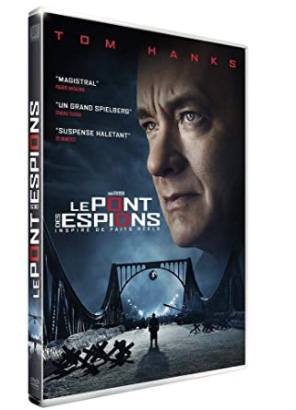
Bridge of Spies
Synopsis
Set during the height of the Cold War in 1960, an upright American insurance claims lawyer named James B. Donovan is unexpectedly recruited to defend an arrested Soviet spy in court to ensure a fair trial. Facing intense public backlash and patriotic hostility, Donovan steadfastly defends his client with unwavering constitutional integrity. Soon, the CIA enlists Donovan for a secret, high-stakes diplomatic mission in East Berlin to negotiate a daring prisoner exchange for a captured American U-2 spy plane pilot. This masterclass historical drama portrays diplomatic courage at its finest.
The Making of the Film
The genesis of Bridge of Spies came from an original screenplay by Matt Charman, who discovered the riveting, forgotten historical role of James B. Donovan during Cold War history research. Producer Steven Spielberg was immediately captivated by the project and came on board to direct, bringing in legendary sibling writers Joel and Ethan Coen to polish the script's dialogue and legal sharpness. The production team sought to recreate the tense, divided geopolitical atmosphere of 1960 New York and Berlin with absolute historical authenticity. The filmmakers aimed to highlight the quiet, unheralded courage of legal ethics during times of national hysteria.
Critical Reception
Professional critics gave universal critical acclaim to Bridge of Spies, praising Steven Spielberg's masterful direction, Tom Hanks's understated, stellar lead performance, and Mark Rylance's transcendent supporting role. Reviewers lauded the film for transforming historical diplomacy into a gripping, suspenseful masterwork driven by moral conviction rather than action explosions. The public response was an impressive box office success worldwide, resonating strongly with adult moviegoers and awards voters. Audiences were mesmerized by the tense Berlin Wall crossing sequences. The film received six Academy Award nominations, winning Best Supporting Actor for Mark Rylance.
Filming Anecdotes
Director Steven Spielberg drew heavy inspiration from classic Cold War spy thrillers, historical presidential documents, and photo-journalistic records of 1960 Berlin. Production involved authentic location shooting across New York City and Berlin, including shooting key bridge scenes at the actual Glienicke Bridge where the historical exchange occurred. During the filming of the intense courtroom and interrogation scenes, Tom Hanks and Mark Rylance worked closely to build a quiet, respectful dynamic between lawyer and spy. Before Tom Hanks was cast as James Donovan, Spielberg had him in mind for the ideal everyman American hero role.
Main Themes
The film explores profound themes of constitutional rights, integrity, diplomacy, patriotism, and standing up for justice when it is deeply unpopular. It highlights how the rule of law must be protected even during times of existential national fear. Furthermore, it champions quiet courage over aggressive posturing.
Ending Explanation
The climax resolves the tense diplomatic standoff on the Glienicke Bridge in East Berlin when James Donovan successfully negotiates the simultaneous exchange of both the captured Soviet spy and an arrested American student for the downed U-2 pilot. Returning home to New York as an exhausted civilian hero, Donovan receives quiet appreciation from his family and countrymen, having proved that every American life and constitutional right matters. The film ends on a serene, reflective note of personal honor and historical vindication as Donovan looks out over his peaceful suburban train ride.
Title Significance
The title directly references the iconic Glienicke Bridge connecting West Berlin and East Germany, serving as the literal location where the historic Cold War spy exchange took place.
The film features a magnificent, understated musical score composed by Thomas Newman that captures the tense espionage atmosphere and moral dignity of the Cold War era.
NULL
The Post, Darkest Hour, Good Night, and Good Luck., Argo