

 Français
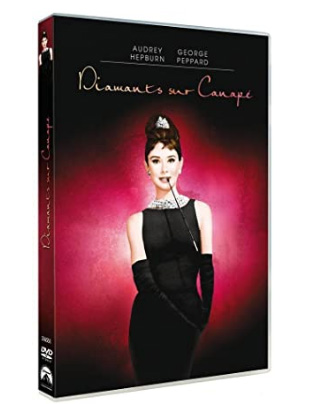
Breakfast at Tiffany's
Synopsis
Holly Golightly is a charming, eccentric eccentric socialite living in New York City who funds her lifestyle through wealthy male escorts. Her carefree routine is disrupted when a struggling young writer named Paul Varjak moves into her apartment building. As Paul falls under her captivating spell, he discovers the vulnerable and fragile soul hiding beneath her glamorous facade. Together, they navigate the eccentricities of Manhattan high society while confronting their personal fears.
The Making of the Film
The film is based on Truman Capotes famous 1958 novella of the same name. Paramount Pictures acquired the rights with the intention of making a glamorous vehicle for star Audrey Hepburn. The script adapted several elements from the original book to soften the darker themes and create a more commercially viable romantic comedy.
Critical Reception
Critics gave the film positive reviews upon release, praising Audrey Hepburns iconic performance and Blake Edwards stylish direction. Reviewers lauded Henry Mancinis timeless musical score and the glamorous depiction of Manhattan. Some critics noted that certain comedic elements and Mickey Rooneys controversial caricature felt dated, but overall reception was glowing.
Public reception was massive, turning the movie into a timeless cultural phenomenon and a defining classic of Hollywoods golden age. Audiences fell in love with Hepburns legendary fashion, charm, and emotional depth. It remains one of the most beloved romantic films in cinema history.
The film won two Academy Awards, including Best Original Score and Best Original Song for Moon River. Audrey Hepburn received an Academy Award nomination for Best Actress. It has since been inducted into the United States National Film Registry for its cultural significance.
Filming Anecdotes
Director Blake Edwards was inspired by the romantic energy of New York City and wanted to capture its timeless elegance. He collaborated closely with costume designer Hubert de Givenchy to create fashion looks that defined an entire era. His vision combined sophisticated comedy with genuine emotional vulnerability.
Production faced unique challenges, such as shooting the famous opening scene on Fifth Avenue early in the morning with virtually no crowd control. Audrey Hepburn struggled with her initial dislike of danishes, which she had to eat while looking into the jewelry store window. The crew had to maintain strict discipline to capture the bustling city atmosphere smoothly.
A legendary sequence features Holly Golightly singing Moon River on her apartment fire escape with a guitar. The studio executives initially wanted to cut the song, but Hepburn fought fiercely to keep it in the film. This tender moment remains one of the most iconic and emotionally resonant scenes in cinema history.
The casting process famously almost went in a different direction before Audrey Hepburn secured the role. Truman Capote originally wanted Marilyn Monroe to play Holly Golightly, but Monroes advisors turned down the part. Hepburn ultimately made the character her own, creating an immortal cinematic icon.
Themes Explored
The film explores themes of identity, social ambition, and escaping past trauma through reinvention. Holly Golightlys fear of cages represents her deep dread of emotional commitment and vulnerability. True love is ultimately presented as the only force capable of grounding a restless spirit.
NULL
Title Significance
The title refers to Hollys habit of visiting Tiffany & Co. early in the morning to eat breakfast while gazing at the jewelry windows. It symbolizes her ultimate fantasy of wealth, security, and escaping her turbulent past.
NULL
NULL
Similar Films
Other similar films include Roman Holiday, Sabrina, and An Affair to Remember.