

 Français
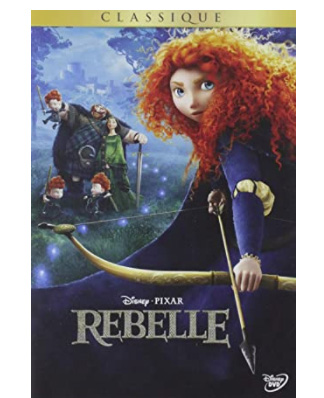
Brave
Synopsis
Set in the rugged and mythical Scottish Highlands, a fiercely independent young princess named Merida defies ancient royal customs and traditional expectations of womanhood by choosing archery and freedom over arranged marriage. During a bitter argument with her mother, Merida seeks help from an eccentric witch and inadvertently casts a dangerous spell that transforms her mother into a wild bear. To reverse the curse before it becomes permanent, Merida must embark on a perilous quest to repair the bond torn by pride and misunderstanding. The animated fantasy adventure blends Scottish folklore with touching mother-daughter emotional depth.
The Making of the Film
Director Mark Andrews and co-director Brenda Chapman conceived the project, with Chapman drawing deep personal inspiration from her relationship with her own strong-willed daughter. The inspiration stemmed from classic fairy tales combined with a desire to feature Pixar's first female protagonist in a sweeping Scottish medieval setting. The production team invested heavily in revolutionary animation technology to render Merida's voluminous, untamed red curls and complex Highland landscapes. The script was meticulously crafted to balance whimsical Scottish humor with emotional family healing.
Critical Reception and Reviews
Professional critics gave generally positive reviews, praising the film's stunning visual artistry, breathtaking Scottish Highland scenery, and the strong mother-daughter emotional core. Reviewers highlighted the film's departure from traditional fairy-tale romance tropes in favor of celebrating familial independence and reconciliation. Critics commended Kelly Macdonald for her spirited vocal performance as Merida. Public reception was overwhelmingly enthusiastic worldwide, making it a box-office blockbusting success. The film won the Academy Award for Best Animated Feature, marking Pixar's first win in the category with a female lead.
Filming Anecdotes
Director Mark Andrews drew visual inspiration from traditional Scottish folklore, rugged Highlands landscapes, and medieval tapestry designs. Production involved extensive research trips to Scotland, where animators studied local architecture, tartans, and weather patterns. During the production of complex hair simulation scenes, animators spent years developing new software systems specifically to handle Merida's wild red curls. Emma Thompson brought fierce royal dignity and warm maternal love to her voice role as Queen Elinor.
Themes Explored
The film explores mother-daughter relationships, breaking traditional expectations, personal destiny, pride versus forgiveness, and Scottish heritage.
The emotional climax sees Merida mend the torn tapestry and express heartfelt remorse, breaking the witch's curse just in time and restoring her mother back to human form.
Meaning of the Title
The title refers directly to the protagonist Merida's courage, daring spirit, and refusal to conform to societal expectations.
Original Soundtrack
Patrick Doyle composed a majestic orchestral score featuring traditional Scottish instruments like bagpipes and fiddles, complemented by soaring original folk songs performed by Birdy and Mumford & Sons.
The film remains a cherished favorite among Pixar fans for its fierce princess protagonist and stunning evocation of Scottish folklore.
Frozen, Mulan, How to Train Your Dragon