

 Français
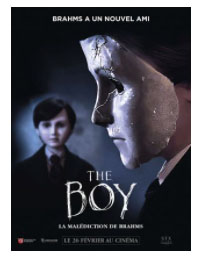
Brahms: The Boy II
Synopsis
Brahms: The Boy II follows a young family—Liza, Sean, and their mute, traumatized young son Jude—who, seeking a fresh start following a violent home invasion in London, move into the sprawling, isolated guest house of the historic Heelshire Mansion. While exploring the estate grounds, Jude uncovers a creepy, life-sized porcelain doll buried in the woods named Brahms, instantly forming a silent, obsessive attachment to it. As Jude begins speaking exclusively through the doll and adopting its sinister, strict house rules, bizarre and terrifying paranormal events terrorize the household.
The Making of the Film
Directed by Stacey Menear and written by William Brent Bell, the film was conceived as a supernatural horror sequel to the 2016 hit The Boy, expanding the doll's dark mythology. The inspiration stemmed from wanting to subvert the original film's twist ending by introducing genuine supernatural elements and expanding the creepy estate lore. The production utilized moody English country house locations and atmospheric fog.
Critical Reception
Critics offered mixed-to-negative reviews, criticizing the film's predictable jump scares, clunky script, and the controversial narrative choice to undo the original film's clever plot twist by making the doll genuinely supernatural. Reviewers noted that Katie Holmes's earnest lead performance kept the film afloat.
Audiences who enjoy spooky doll horror and haunted mansion tropes appreciated the movie's creepy atmosphere.
The film earned box-office success on streaming and home video circuits for its mainstream horror appeal.
Behind-the-Scenes Stories
Stacey Menear drew heavy inspiration from classic haunted doll horror traditions like Annabelle and gothic mansion literature.
Shooting interior English manor scenes required meticulous lighting design to maximize eerie shadows around the porcelain doll.
During production, child actor Christopher Convery maintained a chilling, silent stare while holding the Brahms doll.
Casting Katie Holmes brought recognizable marquee star power to the supernatural horror sequel.
Themes Explored
The film explores haunted dolls, childhood trauma, family protection, supernatural possession, gothic isolation, and home invasion trauma.
Ending Explained
The chilling climax reveals that Brahms is indeed supernatural and controls Jude, leading to a fiery showdown where the mother destroys the doll to free her son.
Meaning of the Title
Reference to the creepy porcelain doll (Brahms) and the continuing legacy of the horror franchise (The Boy II).
Similar films include Annabelle, Dead Silence, Child's Play, and The Boy.