

 Français
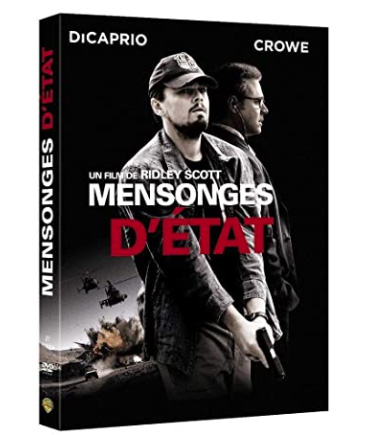
Body of Lies
Synopsis
Roger Ferris is a top CIA operative stationed in the Middle East, constantly risking his life on the ground while tracking down a dangerous terrorist mastermind behind a wave of bombings. Operating from Washington, D.C., his cynical veteran boss Ed Hoffman directs operations via satellite and drone technology with cold, strategic detachment. When Ferris devises a complex, high-stakes fake terrorist organization plot to flush out the real leader, geopolitical alliances and loyalties are severely tested. Caught between treacherous local intelligence agencies and bureaucratic desk warriors, Ferris must trust his own instincts to survive.
The Making of the Film
Based on David Ignatius's best-selling espionage novel, the film adaptation was directed by Ridley Scott to explore modern surveillance warfare and intelligence tradecraft in the post-9/11 era. Screenwriter William Monahan crafted the screenplay to highlight the stark psychological contrast between operatives on the ground and bureaucrats in Washington war rooms. The filmmakers aimed to deliver a gritty, realistic geopolitics thriller grounded in complex moral ambiguity. The production utilized authentic Middle Eastern and European locations to capture operational realism.
Critical Reception
Professional critics gave the film mixed-to-positive reviews, praising the stellar lead performances of Leonardo DiCaprio and Russell Crowe, alongside Ridley Scott's kinetic, glossy direction. Reviewers noted that while the espionage plotting followed familiar counter-terrorism genre beats, the tense atmosphere, high-tech surveillance elements, and character dynamics kept viewers engaged. Some critics felt the narrative was overly complex, but commended its technical craftsmanship.
Public reception was solid among espionage thriller fans who appreciated the gritty action set-pieces, authentic geopolitical tension, and the heavyweight star pairing. Moviegoers enjoyed the realistic depiction of modern spycraft and high-stakes cat-and-mouse games. It performed respectably at the global box office.
The film earned steady appreciation within the modern spy-thriller genre, celebrated for its realistic portrayal of intelligence operations and top-tier acting talent.
Anecdotes_du_tournage
Director Ridley Scott drew inspiration from classic Cold War spy thrillers and modern military intelligence documentaries regarding satellite warfare.
Production faced complex logistical challenges coordinating multi-country shoots across Morocco, Washington, D.C., and European studio stages.
During the filming of the intense interrogation and street pursuit sequences, Leonardo DiCaprio performed physical stunts under grueling desert heat conditions.
The casting process successfully united Leonardo DiCaprio with Russell Crowe for the first time since The Quick and the Dead, creating an electrifying remote boss-agent dynamic.
Core Themes Explored
The film explores modern surveillance warfare, operational ethics, trust in espionage, cultural misunderstandings, and geopolitical manipulation.
Themes Explored
Counter-terrorism, CIA tradecraft, satellite surveillance, operational ethics, middle eastern geopolitics, and betrayal.
The conclusion reveals that Ferris successfully traps the terrorist leader by faking his own kidnapping, after which he resigns from the CIA to pursue a peaceful life with the woman he loves in Jordan. Hoffman is left alone in his Washington office, symbolizing the cold, isolated nature of bureaucratic war-room command.
The title refers to the intricate web of deceit, fake identities, and operational lies woven by intelligence agencies to survive in the shadow-war theater.
The film features a tense, atmospheric electronic musical score composed by Marc Streitenfeld, amplifying the claustrophobic digital surveillance and desert tension.
Syriana, Munich, The Kingdom, Argo