

 Français
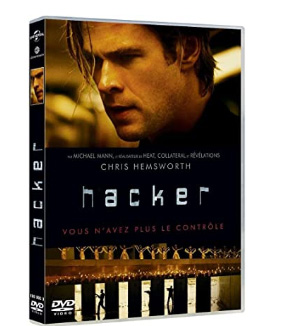
Blackhat
Synopsis
When an ultra-sophisticated cyber-attack on a Chinese nuclear power plant and a Chicago financial exchange causes catastrophic real-world explosions, American and Chinese cyber-security forces are forced to team up. To track down the elusive, faceless cyber-terrorist, an American FBI cyber division agent recruits her former MIT roommate and convict Nicolas Hathaway—a brilliant, physically imposing blackhat hacker currently serving a long prison sentence. Spanning Los Angeles, Hong Kong, Jakarta, and Kuala Lumpur, Hathaway leads an international manhunt through cyberspace and physical shootouts. This high-tech techno-thriller explores global cyber warfare and espionage.
The Making of the Film
Writer, producer, and director Michael Mann conceived the high-tech thriller after researching real-world cyber attacks like the Stuxnet worm and modern infrastructure vulnerabilities. Mann wanted to create an ultra-realistic, grounded techno-thriller that depicted hacking not as glowing fantasy graphics, but as cold, tactical, physical warfare. Legendary Pictures backed the high-budget production. The project was designed as a gritty, visionary exploration of global digital espionage.
Critical Reception
Professional critics gave mixed reviews upon release, with some praising its visionary digital cinematography, gritty tactical realism, and Mann's signature atmospheric direction, while others criticized the sluggish pacing, implausible action-hero hacker premise, and wooden romantic subplot. The film was a major box office bomb.
Public reception was initially muted, though over subsequent years the film underwent a massive critical reappraisal among film enthusiasts who hailed it as an underrated, visionary masterpiece of digital-age neo-noir. Audiences appreciated the authentic tactical gunfights and immersive location shooting. It built a strong cult following.
Awards and recognition were absent during its disastrous theatrical run, but modern film critics frequently rank it among Michael Mann's best 21st-century works. Chris Hemsworth earned praise for his physical commitment. The film remains a celebrated cult techno-thriller.
Filming Anecdotes
- Inspirations: The director drew inspiration from real-world cybersecurity experts, global financial crimes, and classic Michael Mann tactical action films like Heat.
- Difficulties: Production challenges included shooting on location across multiple continents—including Los Angeles, Hong Kong, and Jakarta—under intense scheduling constraints. Michael Mann famously insisted on shooting digitally to capture low-light urban night aesthetics.
- Anecdote: A memorable anecdote involves Chris Hemsworth spending weeks studying computer science and coding alongside real-life hackers to make his keyboard typing and technical posture look authentic. Viola Davis brought gritty authority to her role as the FBI agent. The crew maintained a rigorous technical discipline.
- Casting: The casting process secured Chris Hemsworth to anchor the unusual physical hacker role, alongside Tang Wei, Viola Davis, and Wang Leehom. Wang Leehom played the Chinese cyber-security officer. The ensemble brought heavy dramatic weight to the cyber thriller.
Themes Explored
The themes explored include global cyber warfare, infrastructure vulnerability, corporate greed, digital anonymity, and redemption. The story examines how the modern world is entirely dependent on fragile computer networks vulnerable to malicious actors. It also highlights international law enforcement cooperation.
Explanation of the Ending
The ending shows Nicolas Hathaway cornering the mastermind cyber-terrorist during a chaotic religious festival procession in Jakarta, engaging in a desperate, bloody knife fight in the crowded streets before eliminating the villain in self-defense. Cleared of his immediate crimes through his service, Hathaway meets up safely with his injured Chinese allies, slipping away into the crowd into a quiet digital exile. The film concludes on a tense, atmospheric neo-noir note.
Title Significance
The title 'Blackhat' refers directly to computer security terminology for malicious hackers who violate computer security for personal gain or malicious destruction, contrasting with ethical whitehat hackers. It sets an authentic technical tone. The name is sleek and menacing.
Original Soundtrack
Featuring an immersive, hypnotic electronic musical score composed by Harry Gregson-Williams and Atticus Ross, the sonic landscape captures the cold, pulsing rhythm of global computer networks.
The film is frequently discussed in cinematic retrospectives analyzing underrated modern masterpieces and digital-age filmmaking.
Heat, The Girl with the Dragon Tattoo, Snowden, Mr. Robot