

 Français
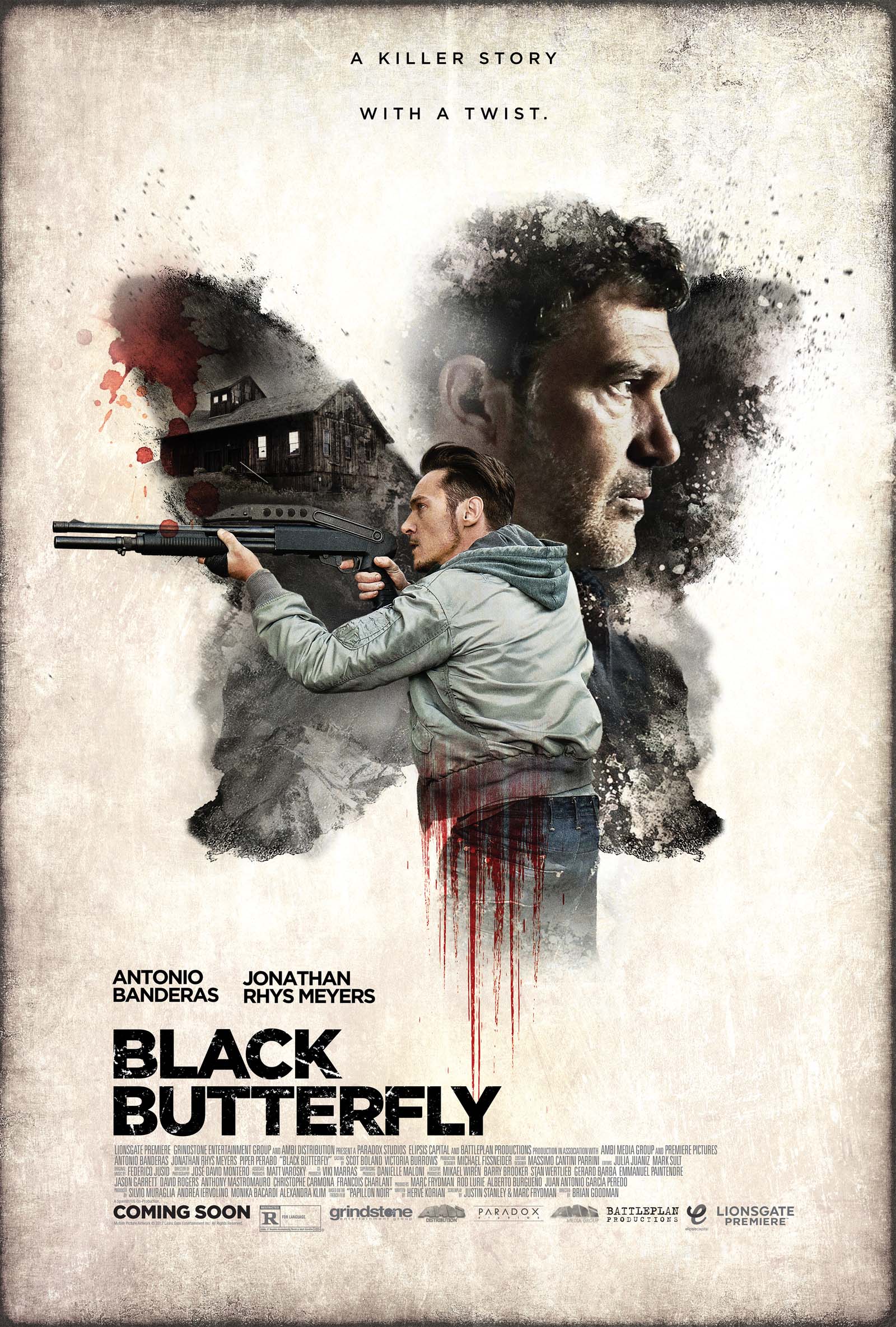
Black Butterfly
Synopsis
Paul, a struggling and reclusive writer living in a remote mountain cabin, picks up a transient drifter named Jack after a tense roadside encounter. Offering Jack a place to stay for the night, Paul soon finds himself trapped in a tense psychological game as the mysterious drifter begins taking over his home. Jack pushes Paul to finish his overdue manuscript, turning a friendly gesture into a claustrophobic hostage situation. As shocking twists unfold, the boundaries between reality, imagination, and survival begin to blur completely.
The Making of the Film
Director Brian Goodman adapted the film from a French thriller titled 'Papillon Noir', aiming to translate its twist-heavy psychological cat-and-mouse dynamic into an American setting. The filmmaker wanted to create an intimate, single-location thriller that relies entirely on sharp dialogue and shifting character power dynamics. The production prioritized atmospheric tension over action, focusing on the creative struggles of a blocked writer. The script was crafted to continuously subvert audience expectations through multiple narrative turns.
Critical Reception
Professional reviews were mixed, with critics praising the strong chemistry and performances of veteran leads Antonio Banderas and Jonathan Rhys Meyers. Reviewers noted that the atmospheric cabin setting created an effective sense of claustrophobia and suspense. However, some critics felt that the constant narrative twists became predictable and strained credibility by the final act.
Public reception was generally favorable among fans of psychological mystery thrillers who enjoyed trying to unravel the plot's hidden secrets. Viewers appreciated the compact runtime and the engaging duel of wits between the two main characters. Word-of-mouth helped it secure steady viewership on home entertainment and streaming networks.
Awards recognition was limited, reflecting its status as an independent psychological thriller rather than an awards-season contender. Nonetheless, praise was directed at the acting performances and the twists.
Shooting anecdotes
Director Brian Goodman drew inspiration from classic psychological thrillers set in isolated cabins, focusing on minimalist staging and intense two-hander dialogue sequences.
Production encountered logistical challenges filming in a tight, enclosed mountain cabin set that required precise camera placement to maintain visual variety.
During a heated confrontation scene, Antonio Banderas and Jonathan Rhys Meyers improvised subtle physical gestures that heightened the genuine sense of unease between their characters.
Initial casting sought experienced dramatic actors capable of sustaining intense psychological tension across nearly every scene of the film.
Themes explored
The film explores the creative torment of writers, psychological manipulation, deception, identity, and the blurring lines between fiction and reality. It examines how trauma and guilt can distort a person's perception of truth. It also highlights the dangerous unpredictability of strangers.
Explanation of the ending
The mind-bending ending reveals that much of the previous events were part of a fictional manuscript or psychological projection, completely turning the power dynamic upside down. It leaves viewers questioning which version of events actually occurred in reality.
Meaning of the title
The title refers metaphorically to the metamorphosis of ideas, dark secrets, and the fragile nature of reality, echoing themes of transformation and hidden beauty in decay.
Secret Window, Misery, Identity, The Number 23