

 Français
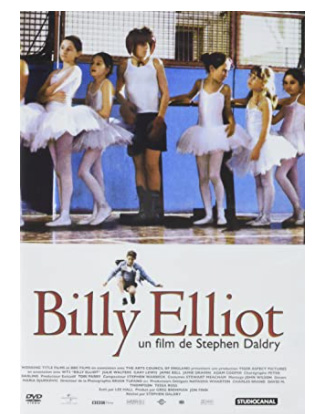
Billy Elliot
Synopsis
Set in a gritty mining town in Northern England during the tumultuous 1984 miners' strike, an eleven-year-old boy named Billy Elliot unexpectedly discovers a passion for ballet dancing while attending a mandatory weekly boxing class in the community gym. Encouraged by a passionate dance instructor who recognizes his raw natural talent, Billy begins secretly practicing ballet behind the backs of his fiercely traditional, striking coal-miner father and brother. As police clashes escalate on the picket lines and financial desperation deepens at home, Billy must fight for his dream of auditioning for the Royal Ballet School. This inspiring British drama explores passion, class struggle, and artistic self-expression.
The Making of the Film
The genesis of Billy Elliot came from screenwriter Lee Hall's original stage play titled Dancer, which drew heavy inspiration from his own upbringing in a northern working-class mining community during the 1984 miners' strike. Director Stephen Daldry was brought on board to helm the project, transforming the script into a deeply moving cinematic exploration of art overcoming adversity. The production team sought to contrast the grim, industrial claustrophobia of the coal-mining strike with the liberating, expressive grace of ballet. The filmmakers aimed to highlight the emotional courage required to pursue unconventional dreams in a rigid society.
Critical Reception
Professional critics gave universal critical acclaim to Billy Elliot, praising Stephen Daldry's sensitive direction, Lee Hall's witty and poignant screenplay, and newcomer Jamie Bell's extraordinary, career-defining lead performance. Reviewers lauded the film for balancing gritty socio-economic realism with soaring, joyful artistic liberation without ever feeling overly sentimental. The public response was an enormous international box office triumph, captivating global audiences and earning widespread critical adoration. Audiences wept and cheered throughout Billy's emotional dance sequences. The film received three Academy Award nominations, including Best Director and Best Original Screenplay.
Filming Anecdotes
Director Stephen Daldry drew heavy inspiration from historical British working-class documentaries, the 1984 National Union of Mineworkers strike archives, and traditional dance choreography. Production took place on location in County Durham and Northumberland, utilizing authentic mining towns, picket lines, and damp community halls. During the filming of the famous angry tap-dancing sequence in the streets, Jamie Bell improvised much of the frantic choreography to express raw youthful frustration. Before Jamie Bell was cast from thousands of boys auditioning nationwide, casting directors spent months searching for a young actor who could act and dance.
Main Themes
The film explores profound themes of passion, breaking gender stereotypes, working-class solidarity, family acceptance, grief, and the transformative power of art. It highlights how rigid paternal expectations can soften through unconditional love when a child's genuine talent is revealed. Furthermore, it examines the devastating social toll of the 1984 miners' strike.
Ending Explanation
The climax resolves the family conflict when Billy's father witnesses his son's breathtaking, emotional leap during an impromptu gym audition, realizing he must sacrifice his pride and cross the miners' picket line to raise money for Billy's train ticket to London. Following a nerve-wracking audition panel where Billy expresses what dancing feels like, he is accepted into the prestigious Royal Ballet School. Years later, an adult Billy leaps majestically onto the stage in Swan Lake as his aging father and brother watch proudly from the audience with tears of joy. The film ends on a soaring, triumphant note of artistic triumph and paternal love.
Title Significance
The title directly honors the protagonist, Billy Elliot, whose personal journey and artistic rebellion form the emotional core of the narrative.
The film features a memorable, eclectic musical soundtrack blending Tchaikovsky's classic Swan Lake ballet orchestrations with 1980s rock anthems by T.Rex, The Clash, and The Jam.
NULL
The Full Monty, Brassed Off, Pride, Little Dancer