

 Français
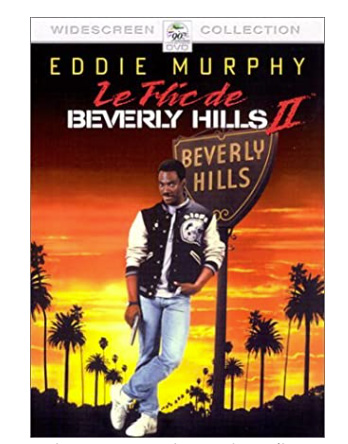
Beverly Hills Cop II
Synopsis
Detroit street-smart detective Axel Foley returns to the sunny, upscale streets of Beverly Hills, California, driven by personal loyalty rather than official duty. His dear friend and local police captain, Andrew Bogomil, has been mysteriously gunned down by a ruthless international arms-smuggling syndicate led by the icy mastermind Karla Fry. Teaming back up with his old LAPD comrades Billy Rosewood and John Taggart, Foley bypasses bureaucratic police protocols to conduct an unauthorized, high-stakes investigation. Armed with his signature quick wit, fast talking, and unorthodox methods, he turns the wealthy neighborhood upside down to bring the criminals to justice.
Genesis_of_the_film
Following the massive, unexpected blockbuster success of the original 1984 film, Paramount Pictures quickly greenlit a sequel to capitalize on Axel Foley's immense cultural popularity. Director Tony Scott was brought on board to inject a slick, high-gloss visual style characterized by golden-hour lighting and dynamic action set pieces. The original idea stemmed from reuniting the beloved comedic chemistry of Eddie Murphy with the straight-laced Beverly Hills police duo, elevating the stakes with a larger-scale criminal conspiracy.
Critical reception and review
Professional critics offered mixed reviews upon release, with many noting that the sequel relied heavily on the formula and comedic beats established by the first movie. However, reviewers widely praised Tony Scott's energetic direction, stylish cinematography, and the undeniable chemistry among the returning cast members. Eddie Murphy's charismatic performance was once again highlighted as the driving force that kept the high-octane comedy engaging from start to finish. Audiences flocked to theaters in massive numbers, making it one of the highest-grossing films of 1987 and a beloved staple of 80s action-comedy cinema. Viewers thoroughly enjoyed the seamless blend of rapid-fire humor, suspenseful shootouts, and catchy musical interludes. The film achieved phenomenal commercial success globally, solidifying the franchise as a defining pillar of 1980s pop culture. It received recognition at various pop culture and box office achievement awards for its enduring popularity and hit soundtrack.
Filming anecdotes
Director Tony Scott drew heavy inspiration from stylish music video aesthetics and action thriller conventions of the mid-1980s to give the sequel a distinct visual flair compared to the original. The production experienced fast-paced scheduling and required extensive cooperation with local authorities to shoot high-speed car chases across affluent Beverly Hills neighborhoods. A memorable shootout scene inside a construction site demanded precise stunt coordination and pyrotechnic management to ensure safety while maintaining explosive cinematic energy. Before Tony Scott was chosen to direct, several other prominent action filmmakers were considered to helm the highly anticipated sequel.
Themes explored
The film humorously explores class disparity and cultural clashes, contrasting the gritty, working-class realities of Detroit with the sterile, wealthy opulence of Beverly Hills. Themes of unwavering loyalty and friendship are central as Axel risks his career and safety to avenge an injured mentor. It examines institutional corruption and the friction between rigid police bureaucracy and street-level vigilante justice. Additionally, the narrative highlights the power of camaraderie and teamwork as mismatched officers learn to trust and rely on one another.
Explanation of the ending
Meaning of the title
Beverly Hills Cop, Lethal Weapon, Midnight Run, Bad Boys