

 Français
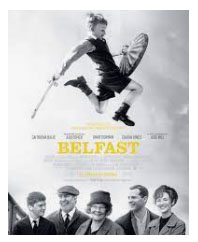
Belfast
Synopsis
Set in Belfast, Northern Ireland beginning in August 1969, the semi-autobiographical coming-of-age drama follows a passionate, movie-loving 9-year-old working-class boy named Buddy as his idyllic childhood is suddenly upended by the outbreak of violent sectarian conflict known as "The Troubles." Amidst neighborhood barricades, petrol bombs, and escalating religious tensions between Protestants and Catholics, Buddy finds joy in cinema, family love, schoolyard crushes, and visits from his wise grandparents. As Buddy's parents struggle financially and face dangerous pressure from local militant gangs to take sides in the sectarian violence, the family must make the heartbreaking decision whether to emigrate for safety. The masterpiece drama delivers luminous black-and-white cinematography and profound emotional nostalgia.
The Making of the Film
Writer and director Kenneth Branagh developed the deeply personal, semi-autobiographical drama film, drawing direct inspiration from his own childhood growing up in Belfast before his family emigrated during the Troubles. The inspiration stemmed from capturing the vibrant community spirit, humor, and heartbreaking trauma of ordinary working-class families caught in sectarian political conflict. The production team invested heavily in stunning black-and-white cinematography by Haris Zambarloukos, detailed 1969 Belfast street soundstage sets, and an iconic Van Morrison soundtrack. The script was meticulously structured as a poetic childhood memory mosaic.
Critical Reception
Professional critics widely acclaimed the film as an absolute masterwork, praising its exquisite black-and-white visual beauty, emotional sincerity, and stellar ensemble performances by Jude Hill, Caitríona Balfe, Jamie Dornan, Judi Dench, and Ciarán Hinds. Reviewers lauded Branagh for crafting his most personal and triumphant cinematic achievement. Public reception was overwhelmingly enthusiastic worldwide, winning the Academy Award for Best Original Screenplay and the People's Choice Award at the Toronto International Film Festival. The film earned widespread critical acclaim.
Behind-the-Scenes Stories
Director Kenneth Branagh drew visual inspiration from his own childhood memories, classic Hollywood cinema screening in Belfast theaters, and historical documentary photography of the Troubles. Production took place on expansive outdoor soundstages in London (recreating 1969 Belfast streets), utilizing gorgeous monochromatic lighting to evoke nostalgic memory. During the filming of emotional family farewell and neighborhood riot sequences, young newcomer Jude Hill and the legendary ensemble cast maintained breathtaking emotional authenticity. Branagh consulted with his siblings.
Themes Explored
The themes explored include childhood innocence amidst sectarian conflict, Northern Irish emigration, working-class community solidarity, familial love, and nostalgic memory.
Ending Explained Ending Explained The poignant emotional climax shows Buddy's family successfully boarding a bus out of Belfast to start a new life, leaving behind a bittersweet legacy of love and remembrance.
Meaning of the TitleMeaning of the Title The title Belfast refers directly to the capital city of Northern Ireland, serving as the beloved home and emotional anchor of the protagonist's childhood.
Original Soundtrack Van Morrison contributed iconic classic songs alongside an evocative orchestral score composed by Kenneth Branagh and Marcus Mumford, anchoring the nostalgic 1969 atmosphere.
Similar Films Empire of Light, Roma, The Fabelmans