

 Français
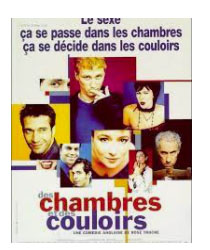
Bedrooms and Hallways
Synopsis
Living in modern London, a thirty-something gay man named Leo attends a men's consciousness-raising group to help navigate his romantic insecurities. During a weekend retreat, he unexpectedly encounters a charming and carefree Irishman named Brendan, sparking an immediate mutual attraction. Complicating matters further, Leo accidentally befriends Brendan's girlfriend and discovers that Brendan is questioning his own sexual identity. As secret rendezvous, mistaken identities, and romantic apartment mix-ups unfold, Leo's predictable life is turned upside down. Ultimately, this witty sex comedy explores the fluid boundaries of love, friendship, and modern relationships beyond rigid labels.
The Making of the Film
Director Rose Troche collaborated with screenwriter Robert Farrar to create a fresh, witty British romantic comedy exploring contemporary urban queer culture. The project was conceived as an independent comedy-drama following the massive success of Troche's breakthrough indie hit Go Fish. Troche drew inspiration from classic theatrical bedroom farces, screwball romantic comedies, and modern London social scenes. The production prioritized stylish urban apartment locations, sharp British humor, and an ensemble cast of rising acting talent.
Critical Reception
Critics offered generally positive reviews upon release, praising its sparkling wit, charming ensemble cast, and progressive take on sexual fluidity. Reviewers noted that Rose Troche brought a light, sophisticated touch to traditional bedroom farce tropes. Some film critics, however, felt that the narrative lost some focus when juggling its large ensemble subplots. Despite minor structural criticisms, romantic comedy enthusiasts embraced its refreshing humor and groundbreaking representation.
Audiences adored the charming British comedy, finding its exploration of modern romance and male vulnerability both hilarious and endearing. Viewers on independent cinema platforms commended Kevin McKidd's standout performance and the undeniable chemistry between the lead actors. It found a welcoming cult following among fans of 1990s queer cinema and urban romantic comedies. Many praised its ability to poke fun at men's support groups and dating rituals with affection and warmth.
Although major mainstream cinematic awards bypassed the independent British release, it earned recognition at various international queer film festivals. Its acclaim centered primarily on Rose Troche's stylish direction and the stellar ensemble cast led by Kevin McKidd and James Purefoy. The screenplay received praise from comedy writing guilds for its clever bedroom farce mechanics. These accolades helped establish the film as a beloved cult classic of late-1990s romantic comedy.
Behind-the-Scenes Stories
Rose Troche was inspired by classic theatrical bedroom farces where characters hide in closets and misinterpret romantic intentions. She wanted to subvert traditional romantic comedy formulas by placing gay and bisexual men at the center of a breezy sex farce. The visual style utilized stylish London townhouses, warm atmospheric lighting, and fast-paced comedic editing. The director also drew from her own experiences navigating the vibrant dating scenes of London and Chicago.
Shooting on location across various trendy neighborhoods in London presented exciting urban production opportunities for the indie crew. The production team designed cozy, intricate apartment sets to facilitate the frantic door-slamming mechanics of a classic farce. Kevin McKidd and James Purefoy spent weeks rehearsing their comedic timing to ensure the romantic tension felt both funny and genuine. Despite the fast-paced indie schedule, the cast and crew maintained a joyful, collaborative atmosphere on set.
During the filming of the chaotic men's support group retreat sequences, the ensemble cast shared genuine laughter that enhanced their on-screen rapport. Director Rose Troche encouraged physical comedy and spontaneous ad-libbing during the awkward bonding exercises. Crew members reported having a difficult time keeping quiet behind the monitors during the funniest bedroom mix-ups. The vibrant energy among the actors gave the indie production a polished, professional sheen.
Casting directors searched for a talented ensemble of British actors who could handle both witty verbal humor and tender emotional vulnerability. Kevin McKidd was secured for the lead role of Leo, bringing charm and neurotic sensitivity. James Purefoy was cast as Brendan, exuding effortless charisma and romantic confusion. The supporting cast featuring Tom Hollander, Julie Graham, and a young Hugo Weaving added stellar comedic depth.
Themes Explored
The film heavily explores the fluidity of sexual orientation, modern male vulnerability, and the shifting nature of urban romance. It examines the absurdity of men's support groups and contemporary dating rituals. Another core motif is the breaking down of rigid identity labels in favor of emotional connection. It also touches upon friendship, jealousy, and the universal quest for love.
Ending Explained
The film concludes with all the romantic misunderstandings, closet hideaways, and apartment mix-ups finally untangling during a chaotic social gathering. Brendan and Leo embrace their mutual feelings, choosing to ignore rigid labels and simply pursue happiness together. The supporting characters also find unexpected romantic resolutions, proving that modern love defies neat categories. The final joyful shots celebrate community, acceptance, and romantic optimism.
Meaning of the Title
The title refers literally and metaphorically to the classic architectural spaces of domestic homes where romantic rendezvous, secrets, and farcical bedroom mix-ups take place. It evokes the traditional theatrical structure of a bedroom farce combined with emotional intimacy. The playful phrasing sets a cheeky, comedic tone for the modern romance. It encapsulates the private domestic spaces where characters confront their true desires.
Similar films include Four Weddings and a Funeral, The Opposite of Sex, Sliding Doors, and In & Out, which feature witty romantic comedies, bedroom farces, and sexual awakening.