

 Français
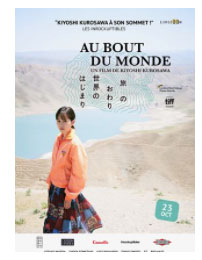
To the Ends of the Earth
Synopsis
To the Ends of the Earth follows Yoko, a reserved, dedicated Japanese television travel-show host who travels to the remote, exotic landscapes of Uzbekistan along the ancient Silk Road to film a segment for her program, accompanied by her anxious director and camera crew. As Yoko navigates foreign cultural barriers, language misunderstandings, and exhausting production schedules, she struggles with quiet personal loneliness and unfulfilled artistic dreams. Seeking connection in the vast Central Asian landscape, she embarks on a soul-searching journey of self-discovery.
The Making of the Film
Directed by acclaimed Japanese auteur Kiyoshi Kurosawa, the film was conceived as an international cultural exchange project celebrating the 25th anniversary of diplomatic relations between Japan and Uzbekistan. The inspiration stemmed from exploring cultural displacement, artistic isolation, and finding inner voice in unfamiliar lands. The production utilized authentic Uzbekistani locations, including Tashkent, Samarkand, and historic Silk Road monuments.
Critical Reception
Critics offered generally positive reviews, praising Atsuko Maeda's vulnerable, magnetic lead performance, stunning landscape cinematography, and Kurosawa's atmospheric direction. Reviewers highlighted the film's gentle tonal departure from Kurosawa's trademark horror works, opting instead for a quiet, luminous art-house travelogue about self-discovery. The meditative tone received praise.
Audiences appreciative of slow-burn arthouse cinema embraced the movie for its poetic visual beauty.
The film earned recognition across international film festivals, premiering as a special screening at the Locarno Film Festival.
Behind-the-Scenes Stories
Kiyoshi Kurosawa drew heavy inspiration from classic travelogues, cultural displacement, and his own experiences filming abroad.
Shooting across historic Silk Road monuments in Uzbekistan required complex international crew coordination and translation.
During production, lead actress Atsuko Maeda performed her own singing and emotional vocal sequences in the ancient amphitheaters.
Casting pop star turned actress Atsuko Maeda brought fresh vulnerability and charm to the television host role.
Themes Explored
The film explores cultural displacement, travel television production, inner voice discovery, loneliness, Silk Road history, and personal growth.
Ending Explained
The uplifting conclusion shows Yoko finally finding her singing voice in the empty acoustic echo of an ancient Uzbek stadium, embracing her future with renewed confidence.
Meaning of the Title
Reference to the geographic expanse of the Silk Road (To the Ends of the Earth) traveled by the protagonist.
Similar films include Lost in Translation, Certified Copy, Paterson, and Shirley Valentine.