

 Français
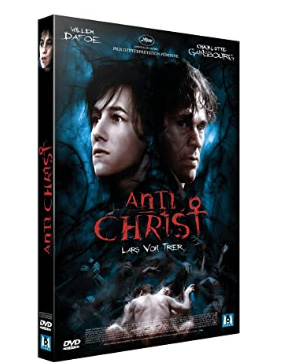
Antichrist
Synopsis
Antichrist is a deeply disturbing, visceral, and polarizing psychological horror-drama written and directed by Danish auteur Lars von Trier. The story opens with a grieving married couple who retreat to a remote woodland cabin in the woods called 'Eden' to cope with the tragic accidental death of their young son. As the husband, a therapist, attempts to treat his wife's debilitating grief using rational psychological techniques, her mental state spirals into violent, delusional despair. The forest around them gradually transforms into a nightmarish landscape of guilt, sexual trauma, and ancient misogyny. The film stands as a shocking, avant-garde exploration of grief and nature.
The Making of the Film
Director Lars von Trier wrote the screenplay during a severe depressive episode, utilizing the creative process as a form of psychological therapy to confront his own inner demons and existential dread. Von Trier sought to merge experimental art-house cinema with extreme body horror and religious allegory. The production utilized stunning, slow-motion black-and-white cinematography for the prologue before plunging into vibrant, suffocating woodland greenery in Germany. Willem Dafoe and Charlotte Gainsbourg were cast as the grieving couple, committing to exceptionally demanding physical and emotional roles.
Critical Reception
Professional critics offered fiercely polarized reviews upon its premiere at the Cannes Film Festival, sparking immediate walkouts, heated shouting matches, and intense global debate. Reviewers were divided between those who condemned it as misogynistic, pretentious shock-art torture porn and those who hailed it as a visionary, courageous masterpiece of grief and guilt. Critics universally praised Willem Dafoe and Charlotte Gainsbourg for their fearless, uncompromising lead performances under extreme conditions. It remains one of the most controversial art-house films of the 21st century.
Audiences experienced extreme distress and fascination, with adventurous cinephiles drawn to its breathtaking visual beauty and terrifying psychological depths. Viewers seeking conventional horror found the explicit mutilation scenes and bleak nihilism deeply harrowing. Its legacy as a legendary modern provocation remains undisputed within avant-garde cinema.
The film received numerous prestigious international accolades, including a Best Actress win for Charlotte Gainsbourg at the Cannes Film Festival, alongside multiple European film awards.
Behind-the-Scenes Stories
Director Lars von Trier drew inspiration from classic gothic horror, psychological therapy sessions, and historical witch trials to shape the nightmarish woodland setting. Coordinating the complex physical stunts and graphic special effects required extreme trust and stamina from lead actors Willem Dafoe and Charlotte Gainsbourg. During the filming of the harsh forest sequences in Germany, the cast endured grueling weather conditions and emotional exhaustion. Before final casting, von Trier initially approached other prominent actors before securing Dafoe and Gainsbourg.
Themes Explored
Grief, Nature, Guilt, Trauma, Misogyny, Psychotherapy
Ending Explained
The haunting and abstract finale shows the therapist surviving the ordeal and walking alone through the misty forest while faceless figures wander the landscape, symbolizing lingering trauma.
Meaning of the Title
The title references theological concepts of anti-creation and nature's inherent cruelty, reflecting the protagonist's delusion that nature is governed by evil.
Original Soundtrack
Georg Friedrich Händel's aria 'Lascia ch'io pianga' opens and closes the film, providing a chilling, sublime classical counterpoint to the harrowing psychological horror.
Melancholia, Black Swan, The Babadook, The House That Jack Built