

 Français
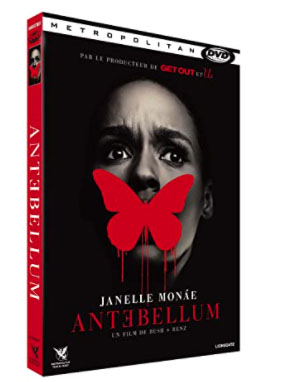
Antebellum
Synopsis
This mind-bending, provocative psychological horror thriller follows Veronica Henley, a successful, modern-day Black author and sociologist who lives a privileged life with her family in Atlanta until her world is violently upended when she is abducted and trapped on a brutal Louisiana slave plantation operated by sadistic Confederate soldiers. As she endures daily unspeakable horrors and abuse alongside fellow captives, she discovers a shocking, reality-shattering twist connecting her nightmare directly to the American Civil War era, forcing her to engineer a desperate, bloody escape to reclaim her freedom. It is a bold, controversial puzzle box of a film.
The Making of the Film
The project originated from writer-directors Gerard Bush and Christopher Renz's desire to craft a provocative social-thriller that utilized genre horror tropes to explore historical trauma, systemic racism, and the enduring echoes of slavery in America. Filmmakers sought to blend high-concept speculative fiction with brutal historical realism. Inspiration was drawn from classic twist-driven thrillers like 'The Village' and historical slave narratives. The creative team aimed to produce an unflinching, debate-sparking cinematic event.
Critical Reception
Critics offered polarized, generally negative reviews, criticizing the film's heavy-handed execution, predictable twist ending, and the exploitative depiction of historical trauma disguised as a high-concept puzzle box. Reviewers noted that while Janelle Monáe delivered a fierce, committed lead performance, the script struggled to balance serious historical atrocities with standard genre-thriller mechanics. However, some praised its bold ambition and visual style. Despite mixed critical consensus, it sparked intense cultural debates upon release.
Audience reception was mixed, drawing strong interest through digital video-on-demand during its pandemic-era home release window. Viewers on public platforms praised Janelle Monáe's commanding screen presence, shocking plot twist, and satisfying revenge payoff. Fans of social-thrillers appreciated its willingness to tackle uncomfortable historical themes. Word-of-mouth sustained modest home entertainment popularity.
Awards season brought minor recognition from various horror showcases and NAACP Image Award nominations, honoring Janelle Monáe for her powerful acting performance. Critics' associations acknowledged the film's striking cinematography and costume design. These accolades cemented its status as a provocative, debated entry in modern horror cinema.
Behind-the-Scenes Stories
The director duo drew visual inspiration from classical southern gothic painting, civil war photography, and high-end fashion cinematography to establish a striking visual style. Every set, from the oppressive Louisiana cotton fields to the pristine modern Atlanta penthouse, was designed to reflect the stark juxtaposition between past and present trauma. The production team collaborated with historians to ensure that plantation architecture and civil war props mirrored historical realities. These artistic choices created a visually intense world.
Production presented intense emotional and logistical hurdles, requiring lead actress Janelle Monáe to inhabit a deeply taxing psychological space for grueling shoots under the hot Louisiana sun. Monáe brought absolute commitment and fierce dignity to her demanding role as a survivor. Shooting on location in historic plantation environments exposed the cast to authentic, heavy historical weight. Furthermore, maintaining strict secrecy around the major plot twist demanded intense focus from producers.
During the filming of the harrowing plantation escape sequences, Janelle Monáe executed her physical stunts with total fearless dedication. To maintain authentic tension, the directors utilized moody, atmospheric lighting. The crew utilized desaturated color grading to accentuate the historical dread. This collaborative environment resulted in striking cinematic moments.
Casting was anchored by securing multi-talented superstar Janelle Monáe, whose fierce intelligence, emotional intensity, and physical presence drove the entire project. Supporting casting directors filled out the cast with talented actors including Kiersey Clemons, Gabourey Sidibe, and Eric Lange. This targeted casting strategy anchored the high-concept puzzle in genuine human empathy.
Themes Explored
The narrative deeply explores themes of historical trauma, systemic racism, and the unbroken chains of oppression connecting America's past to the present. It examines survival, resilience, and reclaiming one's stolen identity. Additionally, it highlights female empowerment, resistance against white supremacy, and fighting for freedom at all costs. Ultimately, the film reflects on history, justice, and ancestral strength.
Ending Explained
The shocking twist reveals that Veronica was actually kidnapped in the modern day by a racist extremist group operating a hidden, re-enactment-style modern plantation in Louisiana, and after killing her captors with a horse and rifle, she escapes onto a highway and is rescued by police. In the final triumphant sequence, Veronica returns safely to her family in Atlanta while her kidnappers are arrested by the FBI. The thrilling conclusion celebrates absolute liberation and modern justice served over historical hate.
Meaning of the Title
The title directly references the historical term "antebellum" (meaning "before the war" in Latin, typically used for the pre-Civil War American South), serving as the core deception of the narrative.
Similar Films
Films sharing similar social-horror, historical trauma, and twist-driven survival themes include Get Out (2017), Us (2019), and The Village (2004).